News & Announcements
Univest Corporation announced a $10,000 donation to Buxmont Academy on March 7, 2018. Univest made this donation through Pennsylvania’s Educational Improvement Tax Credit (EITC) program, 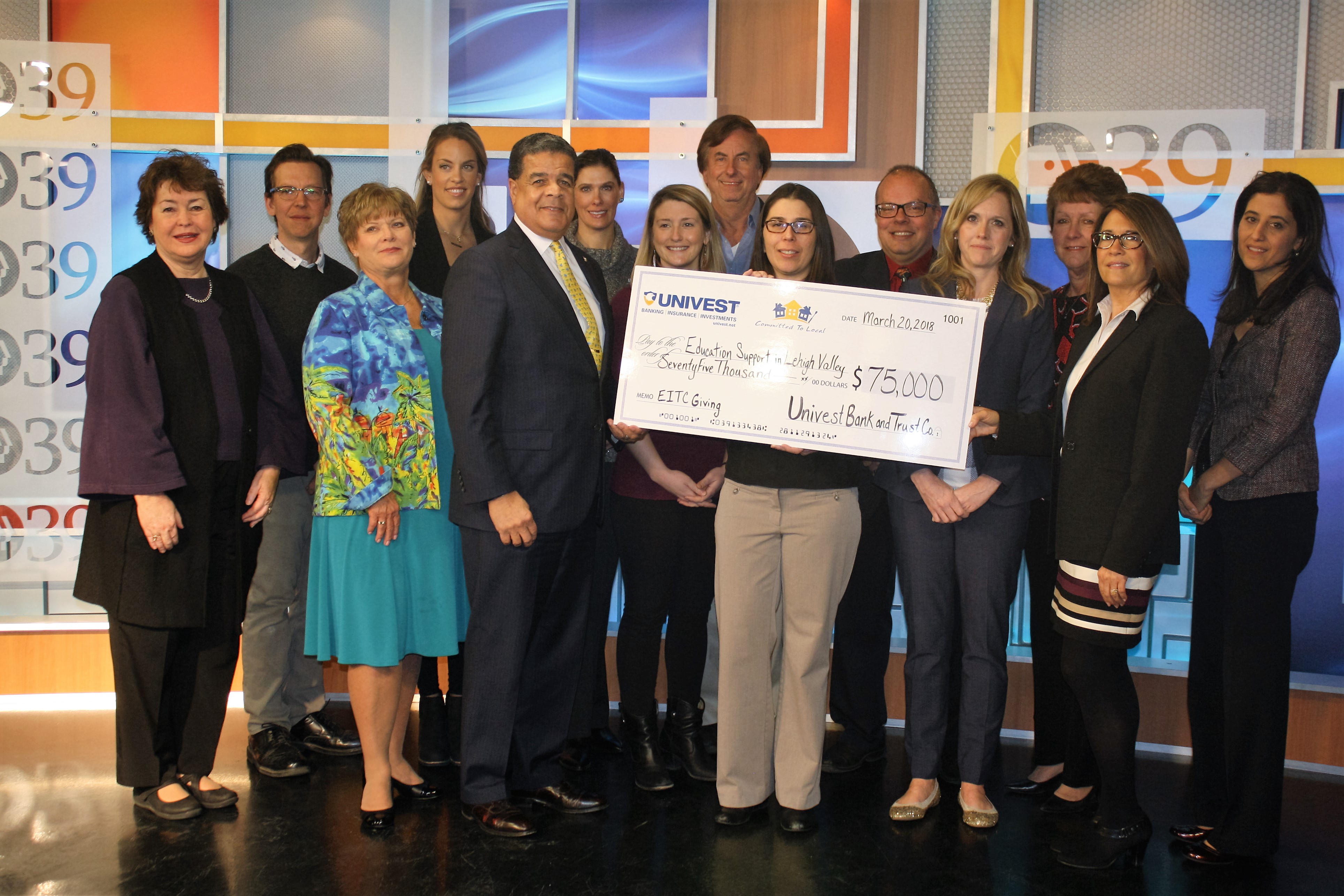
enabling them to direct their Pennsylvania taxes to Buxmont Academy. This donation supports educational opportunities for financially disadvantaged students at Buxmont Academy.
Buxmont Academy is dedicated to providing education and counseling to youth in eastern Pennsylvania. A model program of the International Institute for Restorative Practices (IIRP), Buxmont Academy operates 5 school/day programs.
Univest Corporation awarded $75,000 to nine educational organizations in Lehigh County that qualify for the Pennsylvania EITC program. Buxmont Academy Executive Director Michael DeAntonio, Ph.D., is fifth from the right.

It’s been less than a year since teachers and administrators at Charles W. Henry School (K-8) in Philadelphia, Pennsylvania, began incorporating circles and other restorative practices through the SaferSanerSchools™ program alongside the Second Step Program, which teaches students skills for developing emotional intelligence.
But already the culture of the school has shown marked improvement, with office referrals down and teachers helping students resolve conflicts in new ways.
Second Step, a social-emotional learning (SEL) program created by the global nonprofit, Committee for Children, provides a curriculum to teach students skills to recognize and manage emotions and improve relationships. The International Institute for Restorative Practices (IIRP) SaferSanerSchools™ program provides professional development and ongoing coaching to help school communities cultivate healthy relationships, improve culture and climate, and resolve problems collaboratively and constructively.

The IIRP's second president, John W. Bailie, Ph.D., continues to explore the issue of conflict in the workplace on his personal blog Leading Conflict. With this piece, he launches a new series of articles to "explore some of the most common behavior profiles that persistently generate toxic conflict and provide tips on how to respond to each."
In the article Creative vs. Toxic Conflict at Work, I discussed one of the key features that distinguishes toxic conflict from creative conflict.
Creative conflict is rooted in the dynamics between people. In creative conflict, the motives and goals of group members are typically healthy and focused on a sincere desire to solve concrete external problems and challenges.
Toxic conflict is typically rooted in the personalities of individual people. While creative conflict is rooted in an external problem, toxic conflict is rooted in the problematic behavior of one or more individuals.
Toxic conflict is hard on a team. Thankfully, most of the behavior that generates toxic conflict is common and predictable.
This means that you can plan ahead for behaviors that are certain to recur. Think of these “Toxic Workplace Behavior Profile” articles as your top-secret files on how to prepare and respond strategically to the most disruptive and toxic behaviors in your workplace.

The IIRP Canada Conference, Leading and Sustaining Change, in Toronto April 30 - May 2, will include a featured panel that brings together a range of Aboriginal voices from across the country. "Indigenous Communities Engaging in Restorative Action to Promote Reconciliation" is being organized and facilitated by IIRP Canada Regional Representative Gayle Desmeules, who is of Métis descent, a native group that traces their heritage to both Indigenous North Americans and early European settlers.
Desmeules, who formally joined IIRP Canada last year but has been an IIRP licensed trainer since 2008, has a long and varied career that reflects many of the changes happening in Indigenous communities in Canada. As a child of someone who survived the residential schools — a system that separated Aboriginal children forcibly from their parents and assimilated them into the white community — she has firsthand knowledge of the impact that system had on her community and the legacy of trauma it created. She has dedicated her life to seeking solutions to better the conditions of Indigenous people in Canada.

In my previous article, Conflict: Love It and Lead It, I said:
The highest performing groups learn that they need group members who are willing to lead conflict – not just manage it or resolve it. Within the roots of conflict lie the life blood of creativity, possibility, self-knowledge and group evolution.
Many years of experience as a leadership coach and organizational change consultant have proven this fact to me again and again. The presence of conflict within a work team, along with leaders who are skilled at managing it, is a sign of group health and an indication of that team’s potential to perform beyond normal expectations. The mediocre team seeks calm, avoids conflict and keeps the peace. The high performing team pushes boundaries, exposes contradictions and raises difficult interpersonal questions that often cause temporary friction among team members.
Instead of settling for the immediate gratification of conflict avoidance, high-performing teams sacrifice short-term peace for long-term health and performance.

Working with troubled youth and coaching leaders is pretty similar.
I’ve done both, and I find it much easier to work with a drug-addicted or gang-involved teenager than with a CEO. Teenagers tend to be pretty blunt and upfront with their opinions, emotions and motivations. Even with the “toughest” kids, once you learn how to get through the thick outer shell, you usually find a whole lot of raw emotion and realness. On the other hand, adults (especially professionals and leaders) typically have much more complicated methods to hide, mask or otherwise obscure what’s really going on inside. It’s checkers vs. chess. Sometimes it’s checkers vs. 3-D underwater chess.
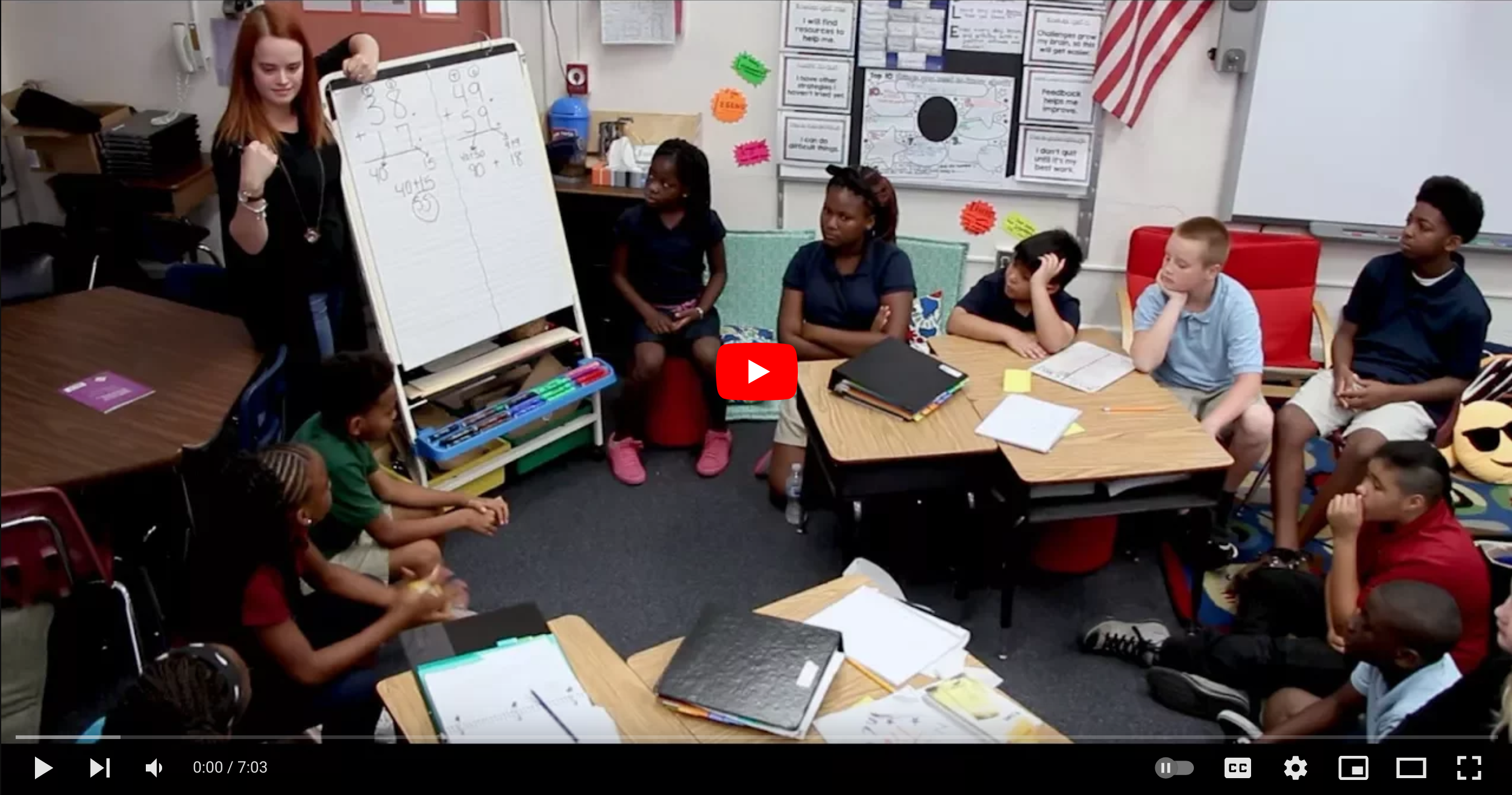
Teachers and administrators at Pinellas County Public Schools in Florida share what they appreciate about restorative practices talking circles.
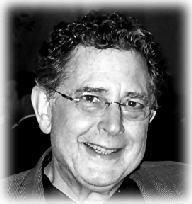
The IIRP would like to pay tribute to Donald L. Nathanson, M.D., who passed away December 27, 2017. Dr. Nathanson's work on Affect Theory, and shame, in particular, was an important influence on the development of restorative practices.
The former Director of the Silvan S. Tomkins Institute and author of the book, Shame and Pride: Affect, Sex, and the Birth of the Self, Dr. Nathanson developed the Compass of Shame to illustrate the various ways that human beings react when they feel shame. He maintained that it is through the mutual exchange of expressed affect that we build community, creating the emotional bonds that tie us all together. He also stated that restorative practices such as conferences and circles provide a safe environment for people to express and exchange emotion. Dr. Nathanson presented some of these ideas in From Empathy to Community, at the IIRP World Conference: "Conferencing: A New Response to Wrongdoing," August 6-8, 1998, in Minneapolis, Minnesota, USA.
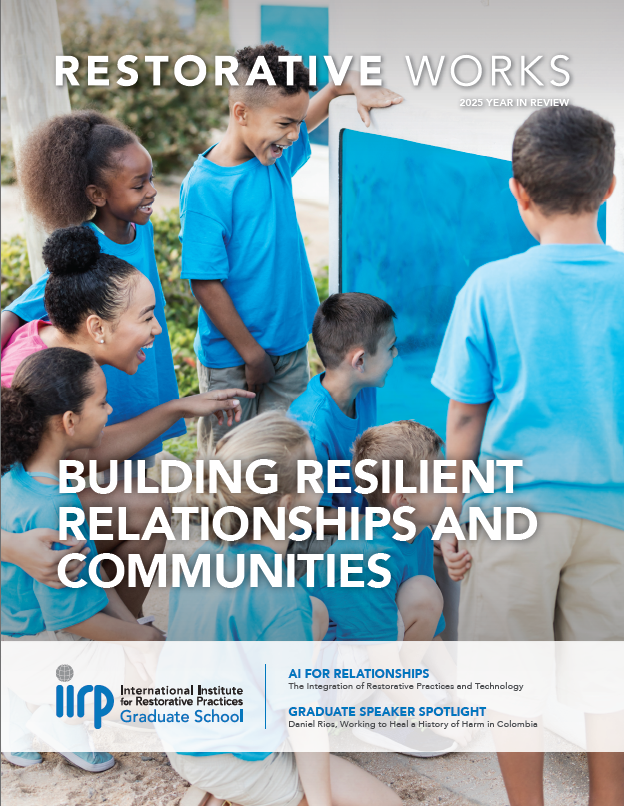
Restorative Works Year in Review 2025 (PDF)
All our donors are acknowledged annually in Restorative Works.