News & Announcements
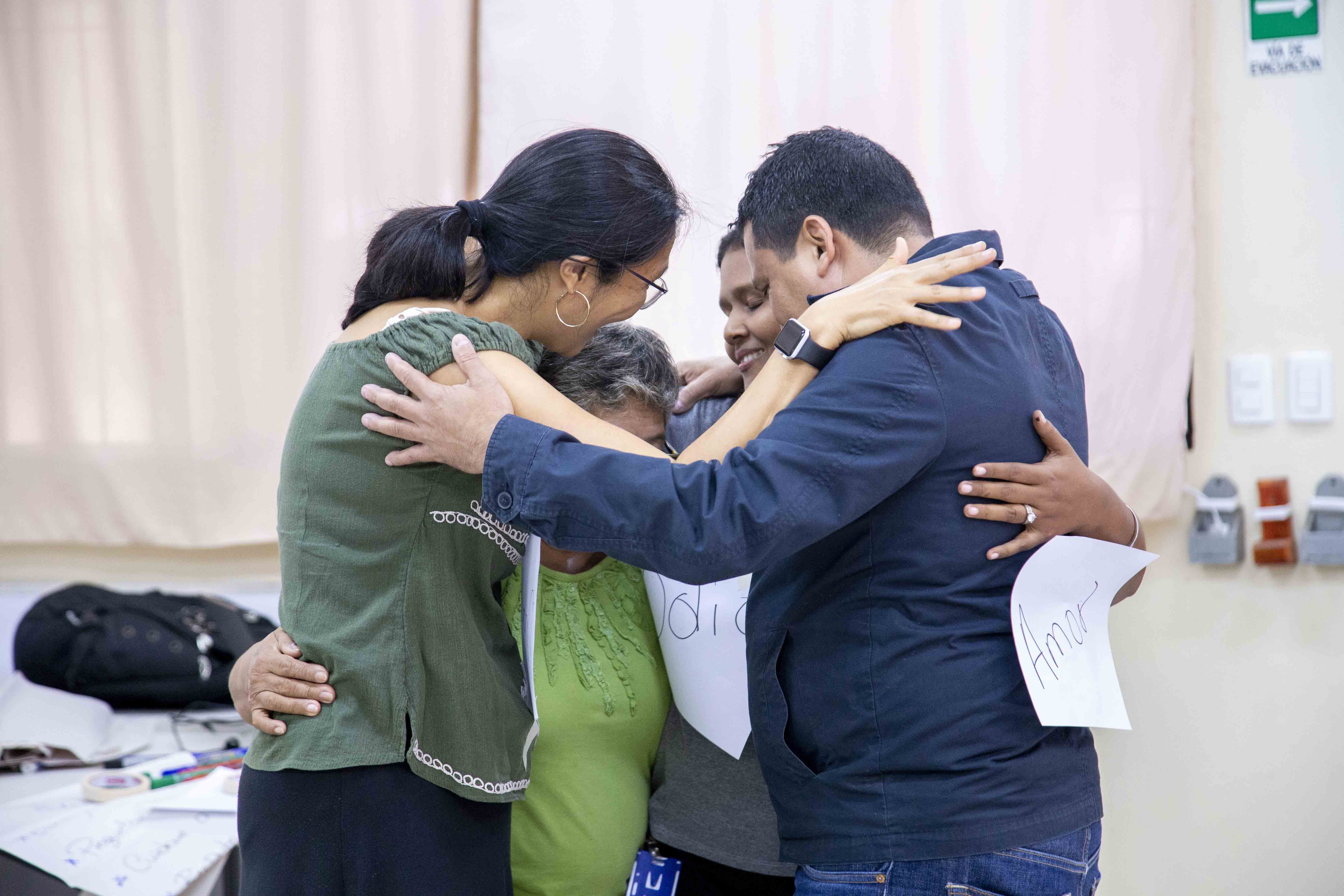
IIRP Latin America is providing processes to help people cope with stress and fear during times of great turmoil in Central America.
Violence boiled over in Nicaragua in April 2018. Citizens protested government social reforms and police responded with extreme brutality. The newspaper La Prensa reports 351 dead, 2,100 injured, 329 imprisoned and 68 tortured.
The country has since become polarized. There have been waves of anarchy: looting, arson and violent conflict, even among families.
AMOS, an NGO that delivers health interventions in Nicaragua (http://www.amoshealth.org), is helping its staff and clients deal with this nightmare.
IIRP Latin America first provided circles training for AMOS in 2009. They took to the process immediately, and it has become part of their organizational culture. They use circles to address conflict in the communities where they work, to make decisions and address staff tensions. During the current upheaval, circles have become a beacon of hope for AMOS's staff and the communities they serve.
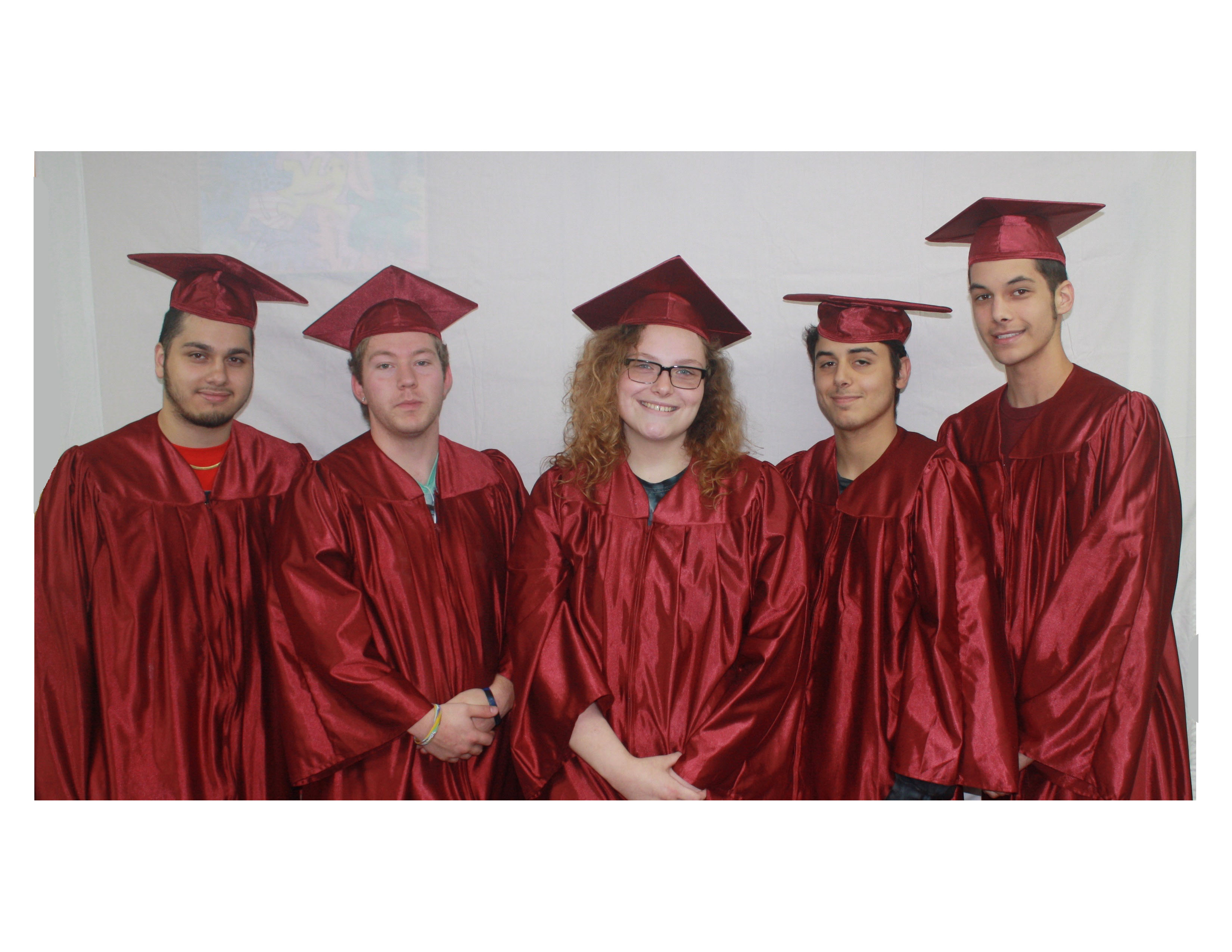
When I attended Buxmont Academy's graduation in June 2018, I didn’t know what to expect. I'd had no interactions with the students. All I knew was that this was a small group of 6th-12th graders who were using restorative practices to learn how to better understand their emotions while achieving academically.
When I arrived at the school, I could immediately tell that this was so much more than a graduation. My limited knowledge didn’t come close to describing what these students had achieved.
The ceremony began with the premiere of “CSF: The Shortical.” This video of a short musical about their school starred the students and featured original songs, dances and dialogue. The community they had created was obvious. They had come together from different places and life experiences and created something to celebrate that. Seeing their pride in this accomplishment was truly inspiring.
The nonprofit organization, Foresee Research Group, received the 2018 European Forum for Restorative Justice (EFRJ) award for outstanding contributions 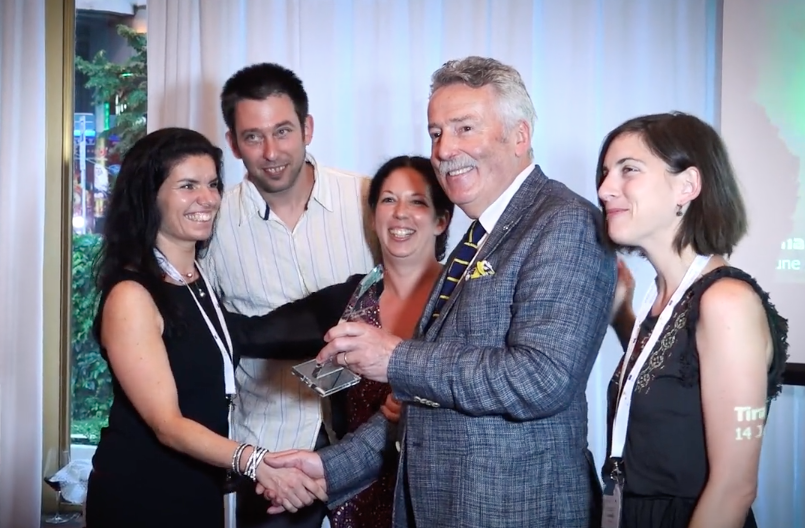
Edit Törzs, Ph.D., EFRJ Executive Director, praised the group, presenting the award at EFRJ's biannual conference, in Tirana, Albania, in June. She lauded Fellegi as "the driving force behind Foresee and chair of the EFRJ Research Committee for many years."
The Foresee team are researchers and scientists who are also practitioners, trainers and activists. Their work across Hungary and Europe shows "an amazing high level of competence and quality," added Törzs.

Managing is about overseeing processes, plans and systems. It’s about keeping things, often created by others, running.
Leading is about engaging and becoming immersed in the nuanced and complicated lives of real people. Leading is envisioning, building and sometimes breaking things on purpose. Leadership helps a team manifest ideas and aspirations.
Management and leadership skills are both essential for a healthy organization, but they are not the same thing. In some organizations, the assignment of these tasks is rigid and highly concentrated into specific job roles.
A nuclear power plant has a very high percentage of people whose job it is to manage a finely tuned system of fixed processes and procedures. In other settings these roles are, shall we say, more fluid…
There are a limited number of people in any organization who are explicitly assigned managerial tasks. But the great thing about leadership is – anyone can lead.
Some roles have strong leadership expectations baked into them. However, the most effective organizations expect some amount of leadership from every role – from the part-time intern to the CEO.
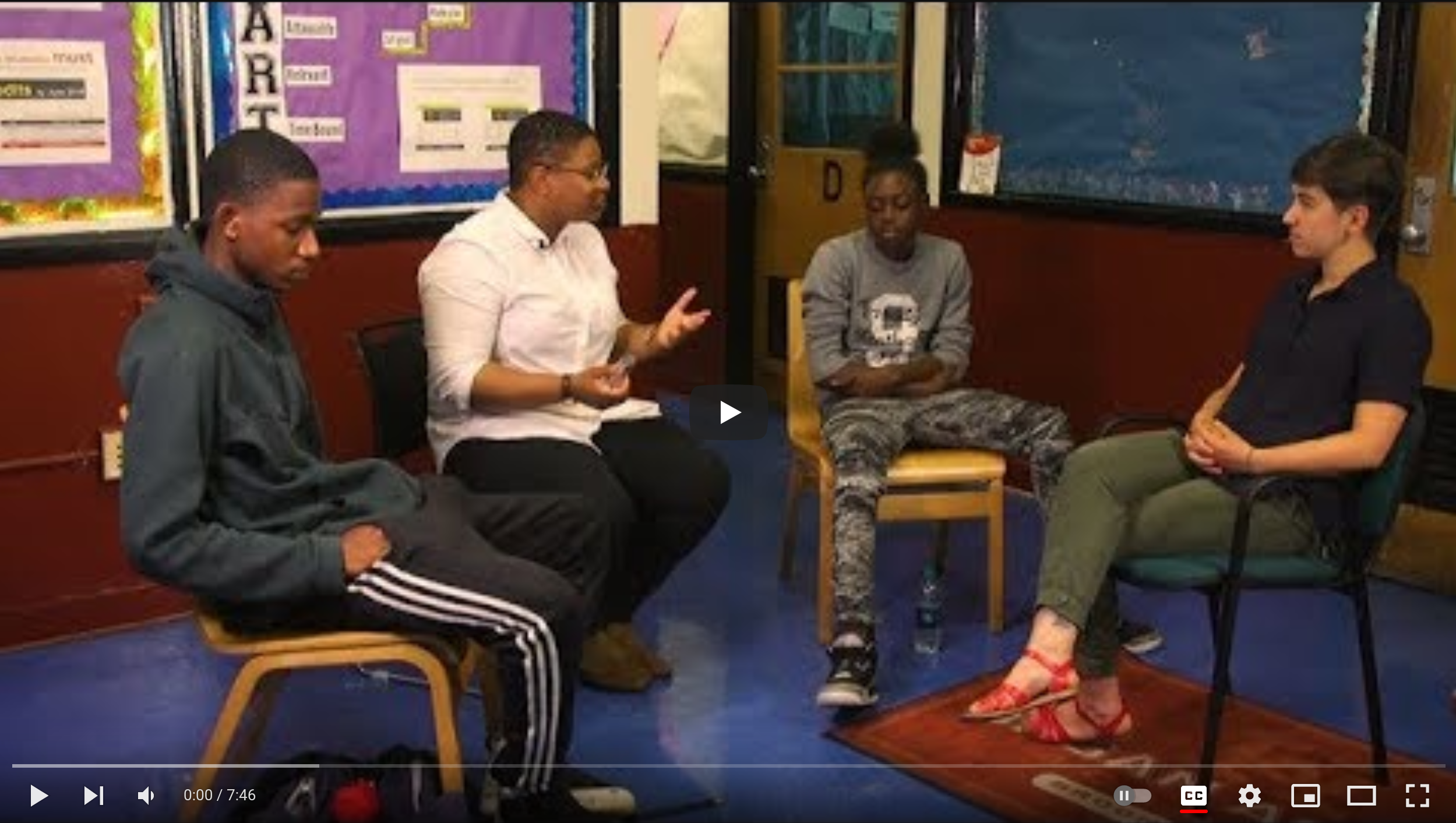
Schools across the country are moving away from an era of zero-tolerance policies and shifting toward methods that involve restorative justice, encouraging students to resolve their differences by talking to each other rather than resorting to violence. In New York City, five schools that have implemented this system are already seeing results. NewsHour Weekend's Megan Thompson reports.
The city of Detroit has been plagued by some of the worst crime and violence in the U.S., along with rampant student expulsion, dropping out and truancy. 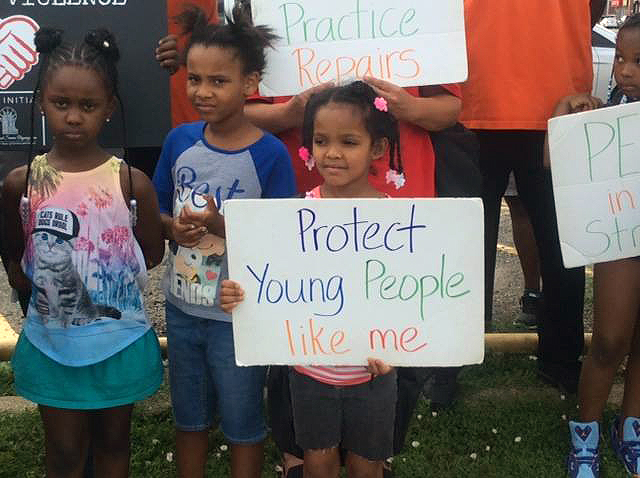
Detroit community members are eager to share their successes and learn from practitioners from around the globe at "Strengthening the Spirit of Community," the IIRP World Conference in Detroit this October.
"They want to celebrate and share the progress they’re making in their city and hear what other places are doing with similar challenges," affirms Alice Thompson, CEO of IIRP partner Black Family Development, Inc. (BFDI), which is hosting the conference.
Breakout Sessions
- A Dynamic Blended Family: When Restorative Practice Marries Family Therapy – Anne Martin, Ph.D., Jennifer Bowen, M.Div., RMFT, RP (powerpoint)
- Becoming a Restorative Community: The Journey of ChildStrive – Mary Cline-Stively, M.A., Rebecca Mauldin, M.P.A. (powerpoint)
- Brighter Futures: A Vision for a Restorative Learning Community in Dublin, Ireland – Emma Wheatley, Karen Mooney (powerpoint, handout)

Preston's Ph.D. research is focused on developing restorative concepts as a narrative approach to assessment and diagnosis of ADHD (attention-deficit/hyperactivity disorder) and other social and emotional issues that affect children. The narrative therapy approach separates the individual from the behavior. It allows children to examine their own problematic actions as external attributes — mistakes that can be corrected — rather than integral, unchangeable elements of their personality or identity.

Empathy is overrated. I know this is heresy. Before you light your torch and grab your pitchfork, hear me out.
We live in a world suffused with psychological language. Even in fields that are not traditionally considered to be “touchy-feely,” leaders are likely to be expected to know how to increase their team’s emotional intelligence, help employees build emotional self-management skills or increase a sense of belonging and community.
This is good. My “day job” is focused on teaching others these skills. In fact, my institution has helped lead the creation of an emerging social science entirely focused on how to strengthen relationships between individuals as well as social connections within communities.
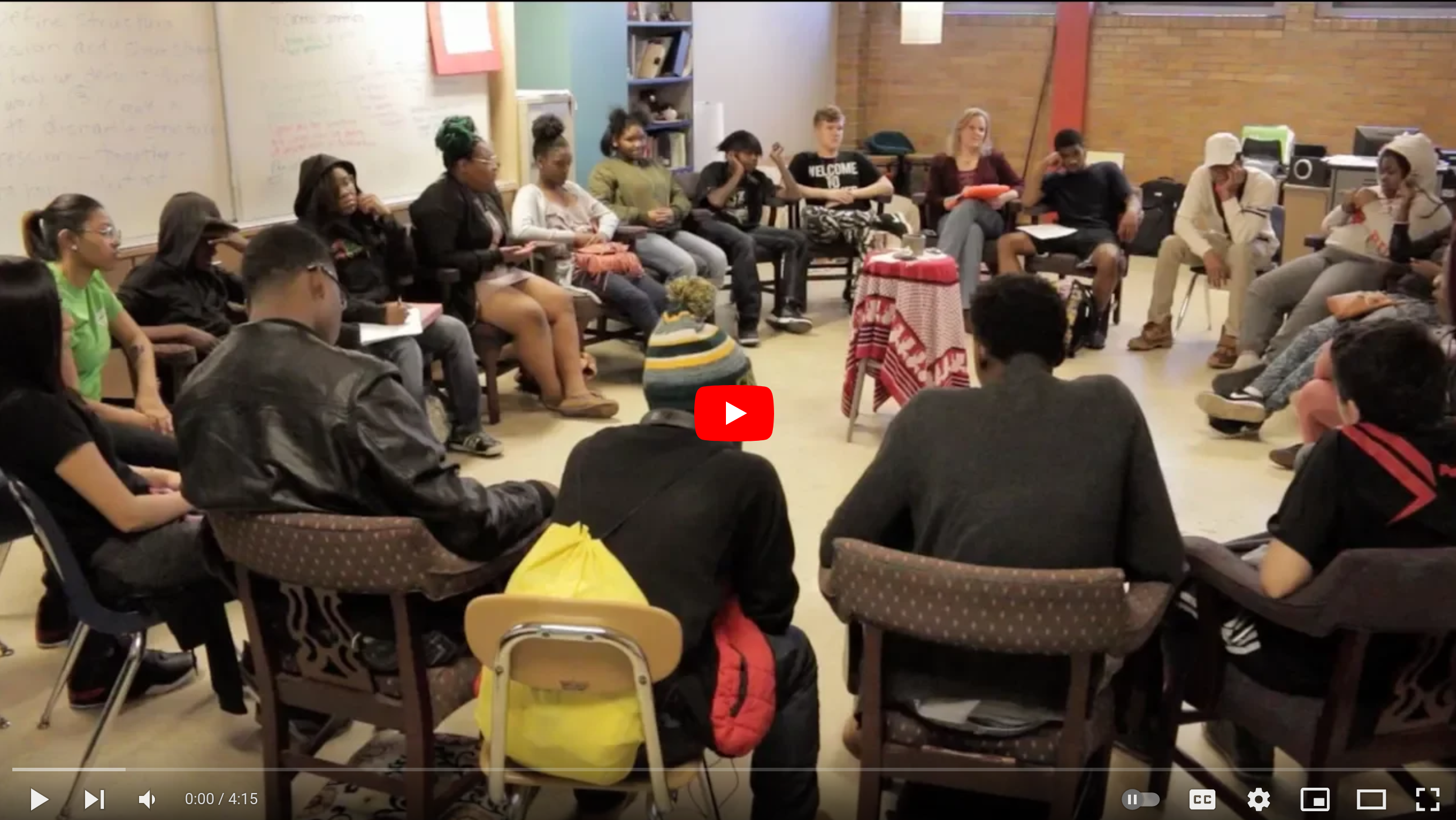
A Milwaukee school shares how they are working with students and staff to take responsibility for implementing talking circles.
Restorative Works Year in Review 2025 (PDF)
All our donors are acknowledged annually in Restorative Works.