News & Announcements

For the past three weeks I’ve been co-teaching a course on conflict resolution at Teachers College, Columbia University. We are preparing some of the top teachers in the country to become top school administrators. Proficiency in giving constructive and effective feedback is a core interpersonal skill for anyone moving into a senior leadership position and a hot topic in my class at Columbia.
Management literature is replete with advice on how to better confront staff and encourage behavior change in employees. Even when you’re the one who sits in the big chair, giving critical feedback to others can be difficult and even intimidating. No one (ok, almost no one) enjoys causing others discomfort, even if it’s in their best interest.

Over the course of my life, I have been blessed with many excellent teachers and learning experiences. My marriage tops them all. Here are just a few things I’ve learned that have also impacted my relationships at work.
QNB Bank presented a donation of $2,000 to the Buxmont Academy on July 5, 2017.
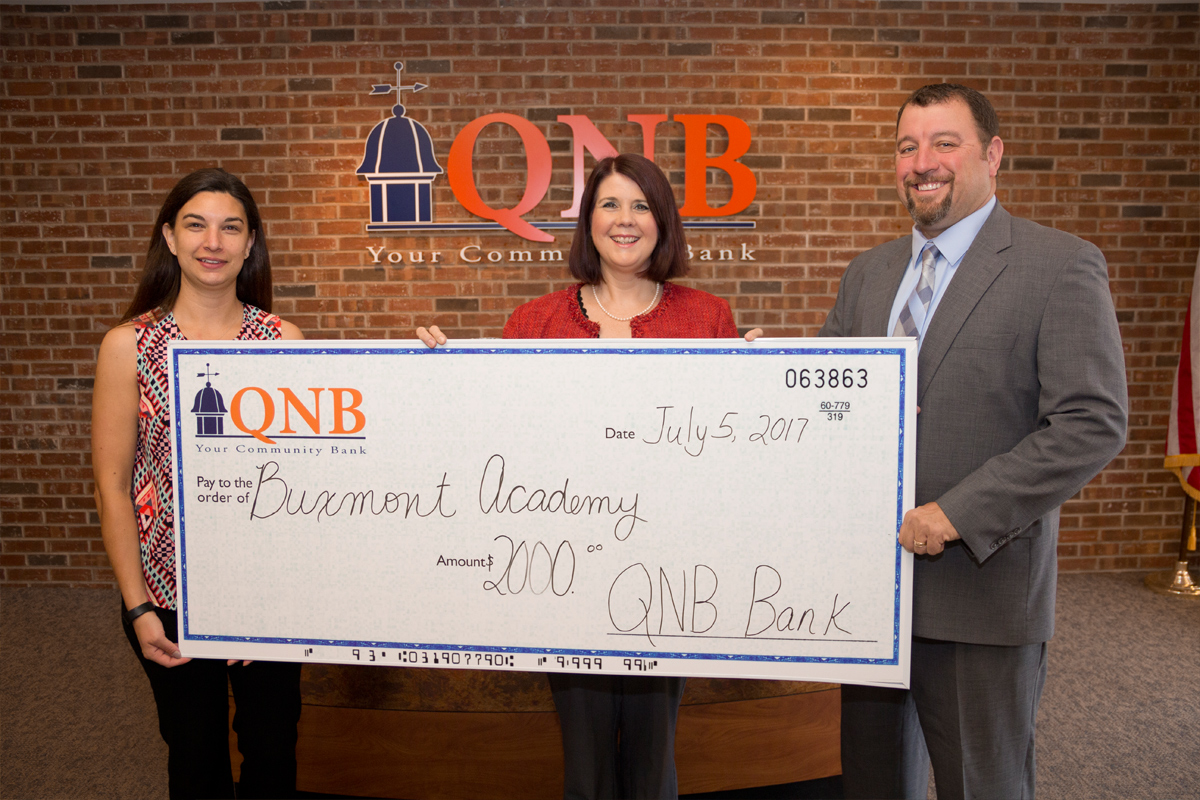
Buxmont Academy, a model program of the International Institute for Restorative Practices (IIRP), is dedicated to providing education, counseling, foster care and other services to help at-risk youth and their families in eastern Pennsylvania to grow and change through restorative practices. Buxmont Academy and sister organization Community Service Foundation (CSF) operate 5 school/day programs, an elementary school program and four community-based foster homes, in addition to in-home supervision programs, restorative reporting centers and restorative services for schools.
QNB Bank currently operates eleven branches in Bucks, Montgomery and Lehigh Counties and offers commercial and retail banking in the communities it serves.
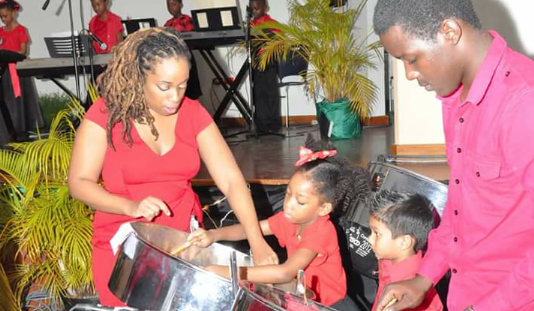
Special thanks to the European Forum for Restorative Justice (EFRJ) for allowing us to republish this article, which first appeared in their June 2017 Newsletter Volume 18(2). This article will be part of a forthcoming EFRJ publication on the theme of "Arts and RJ." EFRJ welcomes other submissions for this booklet by October 1, 2017.
IIRP Latin America, based in Costa Rica, is helping that country become a model of restorative practices in the areas of education and justice. And with more than 50 licensed restorative practices trainers in Latin America, 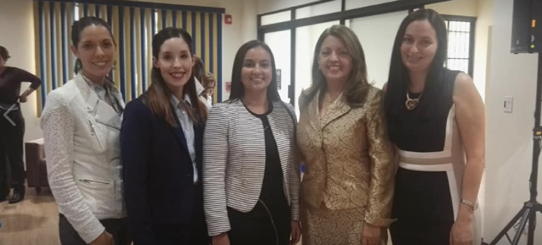
The IIRP’s new Representative for Latin America, Claire de Mézerville López, from San José, Costa Rica, comments, “We come from a very punitive culture here and we need to build peace and repair harm. The natural response of too many people is to be vindictive and to punish when harm was done. On the other hand, the Restorative Justice Program by the Ministry of Justice, headed by Magistrate Madrigal, has been very effective, proving that this is not just theory: it works for everyone involved.”
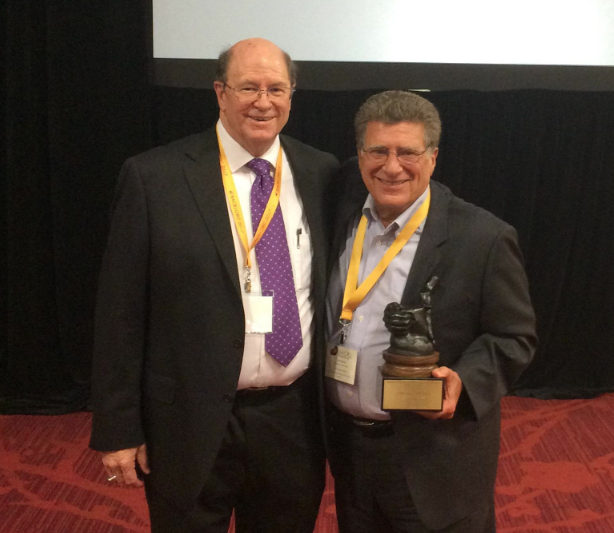

Radical changes are coming to higher education, explains IIRP President John W. Bailie, Ph.D., as he reflects on his experience at the New York Times Higher Ed Leaders Forum. He says that smaller, nimble institutions - like the IIRP Graduate School - will be best positioned to provide 21st century students the kinds of useful skills and experiences they will want and need.

Most recently, Dr. Abrams has been teaching research methods in the online MSW program at Boston University School of Social Work. She was previously Special Assistant to the Vice Provost for Student Affairs at Lehigh University and Director for Health Promotion and Wellness at Princeton University.
Dr. Abrams's background in public health, social work, educational statistics, and measurement and evaluation will enable her to contribute to the growth of the Graduate School. And her experience in mixed-methods research, program evaluation and online teaching, as well as two decades working in higher education, will provide valuable learning opportunities for our students.
Restorative Works Year in Review 2025 (PDF)
All our donors are acknowledged annually in Restorative Works.