News & Announcements

In his latest post, the IIRP's second president, John W. Bailie, Ph.D. challenges educators to remember that the power of restorative practices for school climate change rests in providing both support and discipline, love and limits.
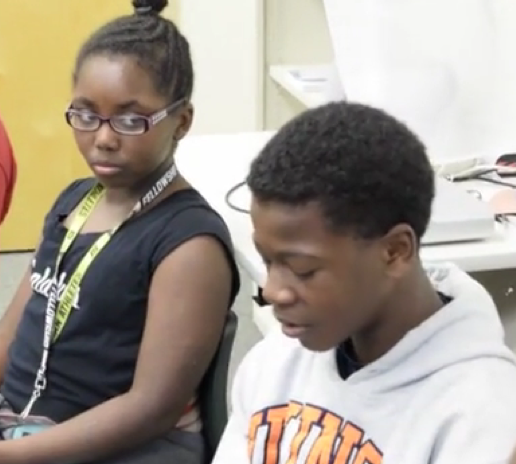
In this 20-minute video, staff, students and administrators at Carbondale Middle School, Carbondale, Illinois, share the restorative approach they are taking to improving school climate.

In the "President's Blog," the IIRP's second president, John W. Bailie, Ph.D., shares his thoughts on a variety of topics relevant to leadership, social innovation and education. In this piece, Dr. Bailie offers some advice for teachers and administrators implementing restorative practices in schools.

2016 was a watershed year for world politics, says Tim Chapman, a member of the board of the European Forum for Restorative Justice, a teacher for the Master in Restorative Practices at Ulster University (Northern Ireland) and a featured presenter at the upcoming IIRP Europe conference. Between the U.K.’s Brexit vote, the election of Donald Trump in the U.S., as well as the threat of terrorism and the international refugee crisis, Chapman believes this is a critical moment for society. He will invite attendees at the IIRP Europe conference, Conflict in Europe: Meeting the Challenge, in Dublin, May 9-10, 2017, to reflect critically on their own values, principles and practice, and ask themselves if they are truly meeting the needs of the moment.
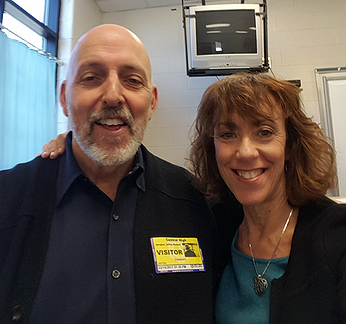
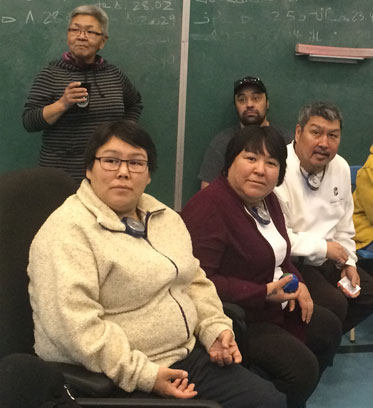
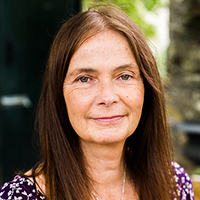
In this short video excerpt, IIRP Europe conference featured presenter Jo Berry briefly describes the importance of her 14-year friendship with Patrick Magee, a former member of the Irish Republican Army who claimed responsibility for planting a bomb that killed her father, a British Member of Parliament.
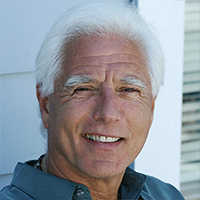
In this guest post, Rick Phillips, Founder and Executive Director of Community Matters, talks about the importance of getting the support of parents and families when instituting restorative practices using a wide range of communication channels. This article originally appeared on the Community Matters web page.
 The IIRP invites applications for an individual to join the faculty as both a researcher and instructor at the world's first graduate school wholly devoted to restorative practices.
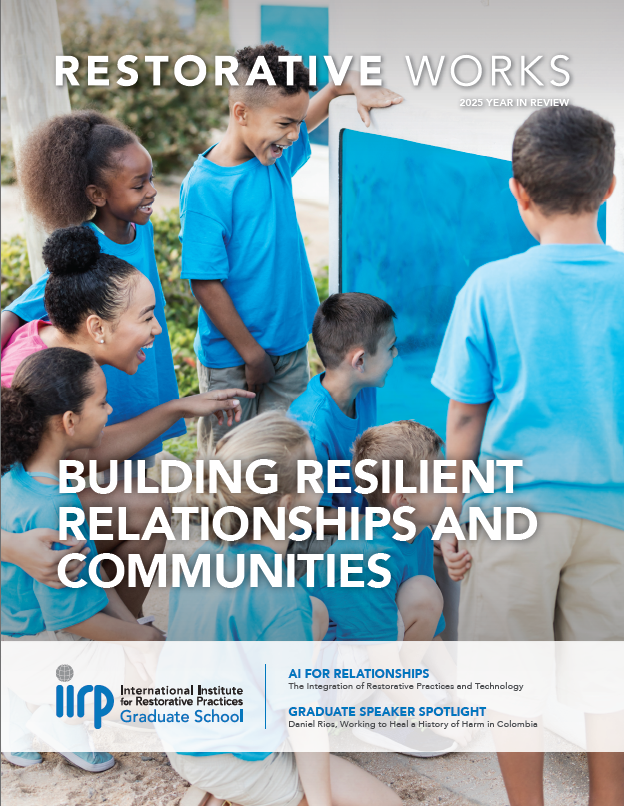
Restorative Works Year in Review 2025 (PDF)
All our donors are acknowledged annually in Restorative Works.