News & Announcements
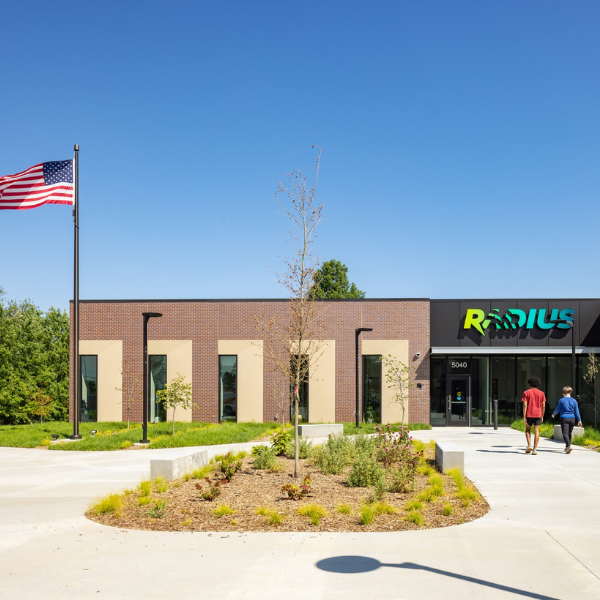
Using evidence-based practices to support the mental, emotional, and physical well-being of justice-involved youth in Omaha.
When a child is removed from their community, they lose more than just their place of being; they lose a continuity of care that affects their recovery in many ways. RADIUS, in Omaha, NE, was established to stop the cycle of loss.
RADIUS, a non-profit organization serving youth ages 12-18 with a focus on restoring relationships between youth, families, and their community, is filling a vital gap in youth services in Omaha. Their mission is to offer care and counsel to Omaha youth involved in the juvenile justice system without disruptions in family relationships, education, and local support networks, which are essential to their future success.
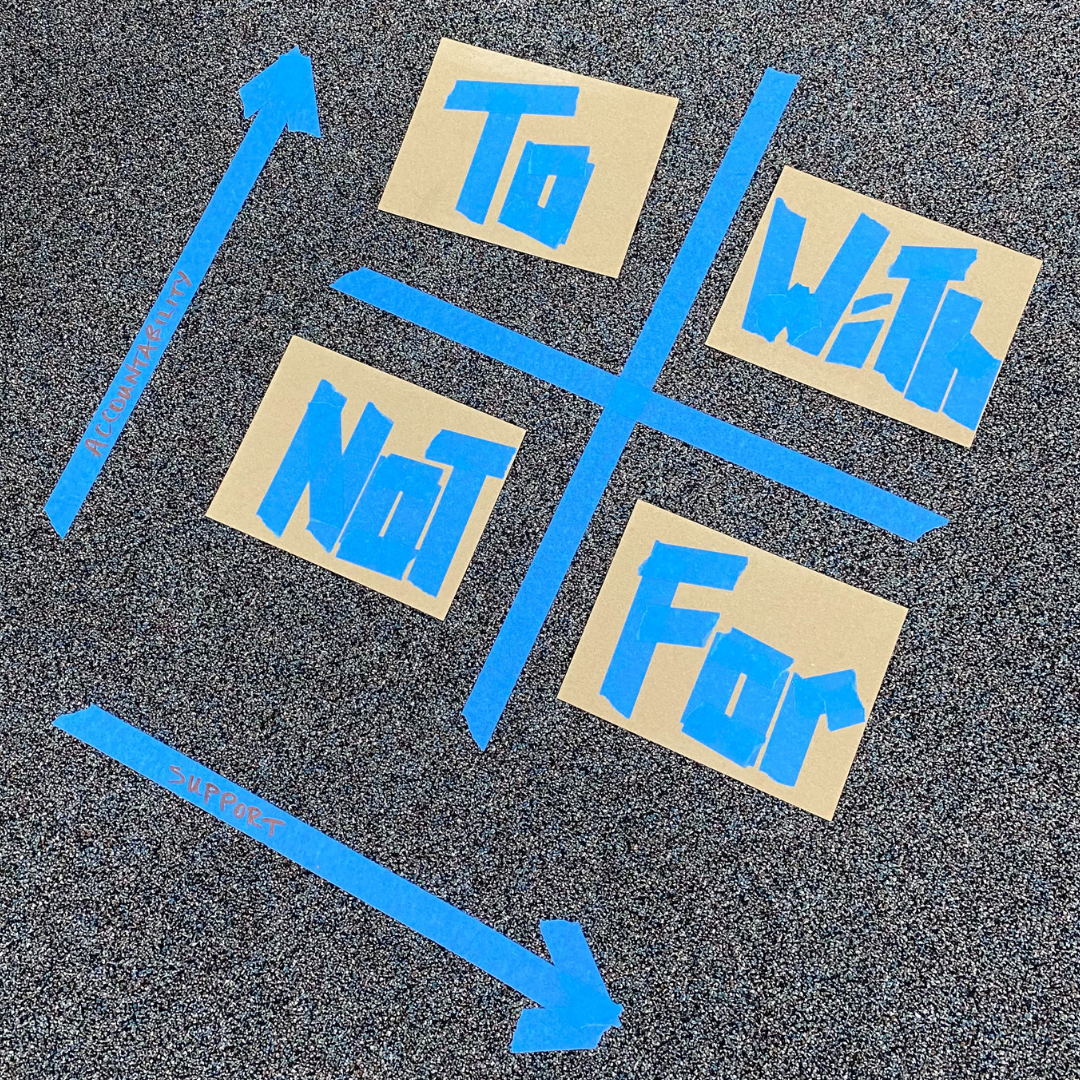
We know that humans are born with the intrinsic need to connect and experience belonging in their communities. In the same way that breathing is second nature but mindful breaths take concerted effort, building community requires intention. To that end, restorative practices as a field provides the tools for intentional community-building and connection-strengthening. Engaging with restorative practices can come naturally, like breathing, while some concepts can be more challenging to learn and internalize.

Key Takeaways:
- By ages 14–18, youth are entering a powerful stage of growth where they begin to think deeply about who they are and how they fit into the world. Known as transcendent thinking, this hallmark of mid-adolescence opens the door to profound learning, reflection, and connection.
- Strong transcendent thinking shapes how teens’ brains grow and predicts psychosocial outcomes via brain network development, leading to healthier social and emotional outcomes in young adulthood.
- These principles reveal why restorative practices, strong community relationships, and a sense of belonging promote our neuropathways toward safeness, allowing focus and curiosity.
- When embraced by restorative practitioners and educators, these insights provide endless entry points for curating culturally responsive and relevant resources for curriculum and instruction.
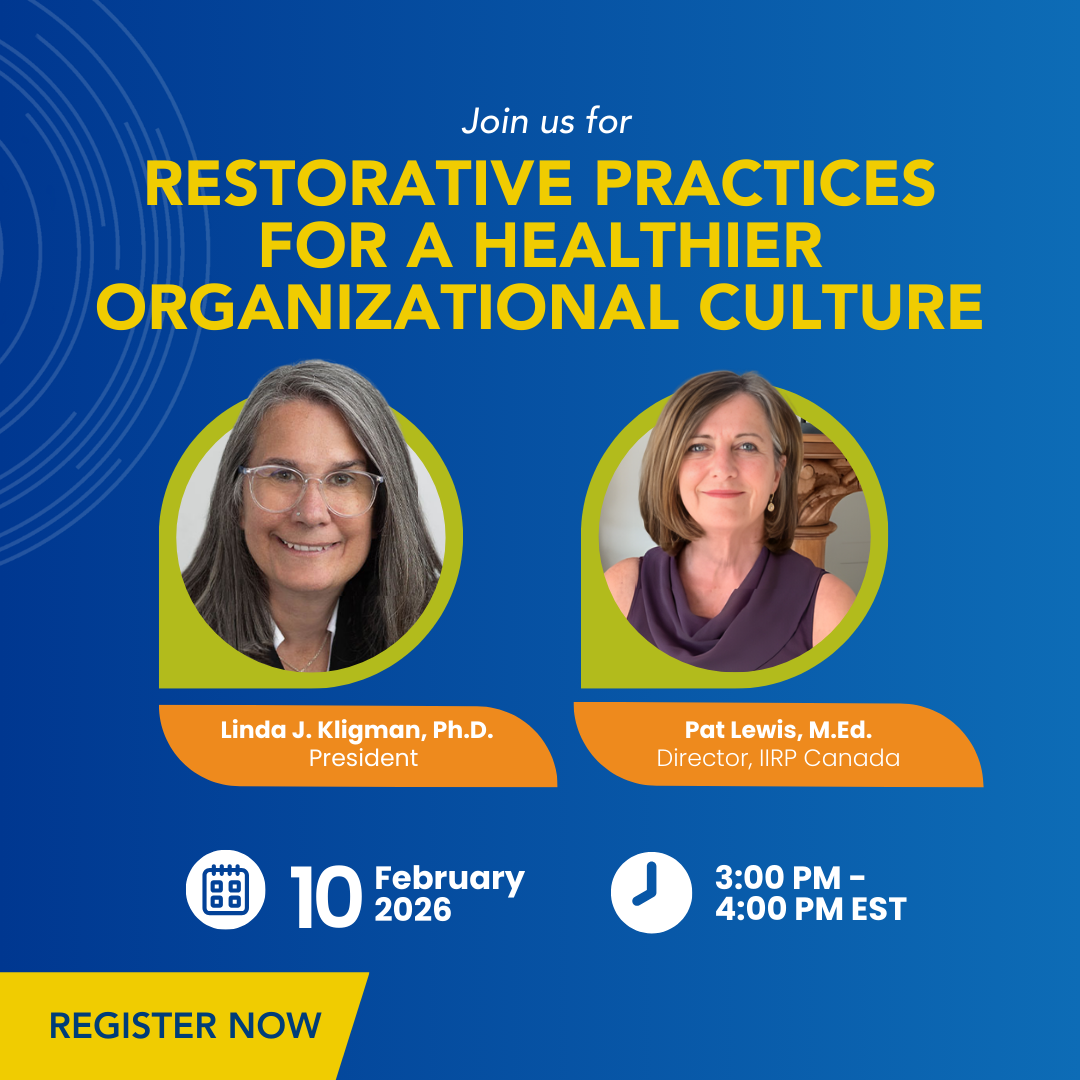
What does a healthy organizational culture look like? How does relational leadership look in practice? What do thriving workplaces have in common?
Join us for a webinar on February 10 at 3:00 p.m. EST as President, Dr. Linda Kligman, and IIRP Canada Director, Pat Lewis, M.Ed., explore these questions through the lens of restorative practices' positive effect on workplace culture.
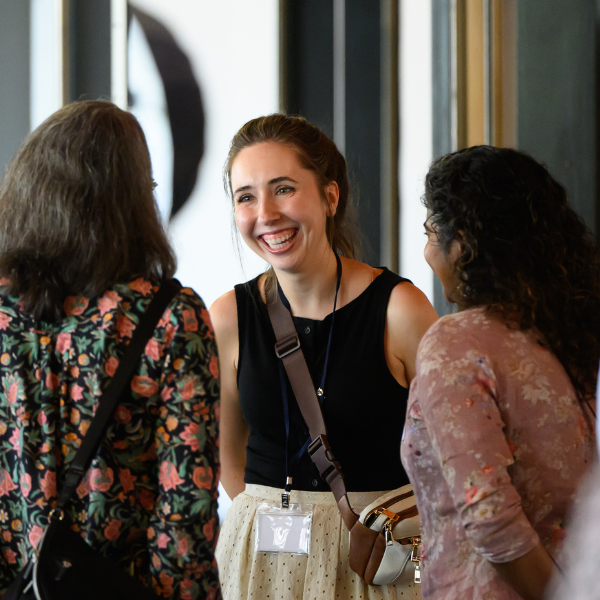
Honoring her roots and the work she believes in.
Our investments back into the IIRP benefit our students, which in turn benefits the world. Kristen Juhn (Webber), MA, is our director of graduate enrollment and student success. When a student is admitted into the IIRP, Kristen is there to guide them through the process of course selection, as well as support them through balancing life and pursuing graduate education. (She even serves as a shoulder to cry on from time to time.) Kristen is a recurring donor who exemplifies what it means to give back.
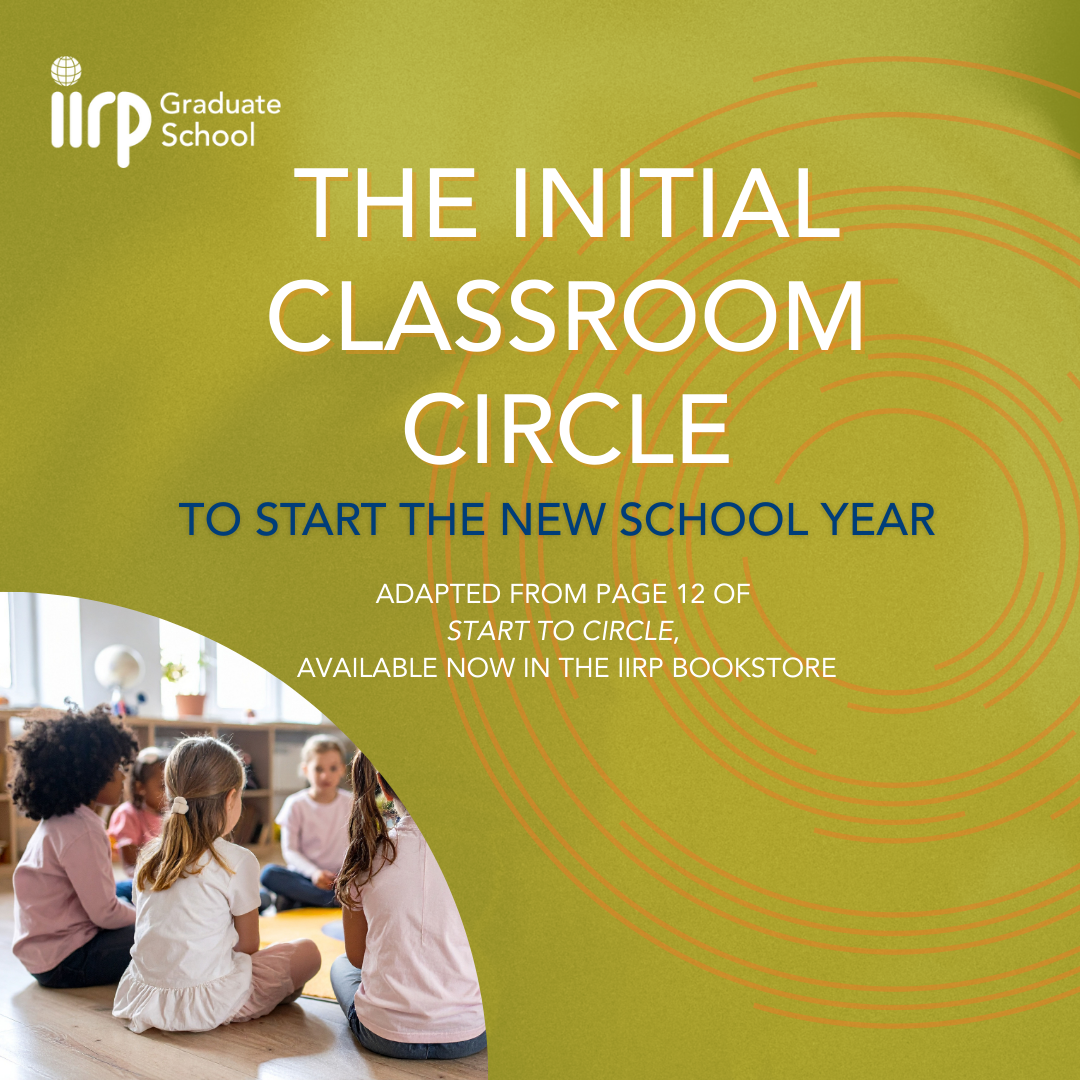
The first days of school are all about setting the tone. Students are uncertain in a new environment, and educators are hoping to create a space where everyone feels safe, respected, and eager to learn. Restorative practices proactively begin to close that gap, building positive interactions from the moment students enter a classroom. A quick circle from Start to Circle can help classrooms connect right away, while showing students that their voices truly matter.
Bringing restorative practices and healing to youth impacted by trauma.
Anders is a current IIRP student pursuing his Master of Science in Restorative Practices with a specialization in Education and his graduate certificate in Relational Facilitation for Healing Trauma. He serves as an educational specialist for a camp-based program at a Juvenile Rehabilitation Center. This restorative-based program was built to provide the tools needed for youth to successfully reintegrate into society and participate as leaders in their communities.
Seeking growth for, and with, her students.
Jodi is a current IIRP student pursuing her Master of Science in Restorative Practices with a specialization in Education. She is a 2nd-grade teacher at a Title I school in the Finger Lakes Region of upstate New York. Her passion for continued personal growth—to the benefit of her students and their growth journeys—is what inspired her to seek an education in restorative practices. She is deeply committed to being a light in the classroom and a supporter of the expanded implementation of restorative practices throughout her own school community and districts across the US.
Using restorative practices to foster accountability and transform the disciplinary process with students.
Janet is a current IIRP student pursuing her Master of Science in Restorative Practices. She serves as a resource teacher for grades 7–12 at Lloyd P. Hance Community School in Lake County, California. In this role, she instructs and supports students to develop feelings of self-worth, attain self-discipline, and accept personal responsibility in decision-making; to become productive members of the community; and to improve academic skills.
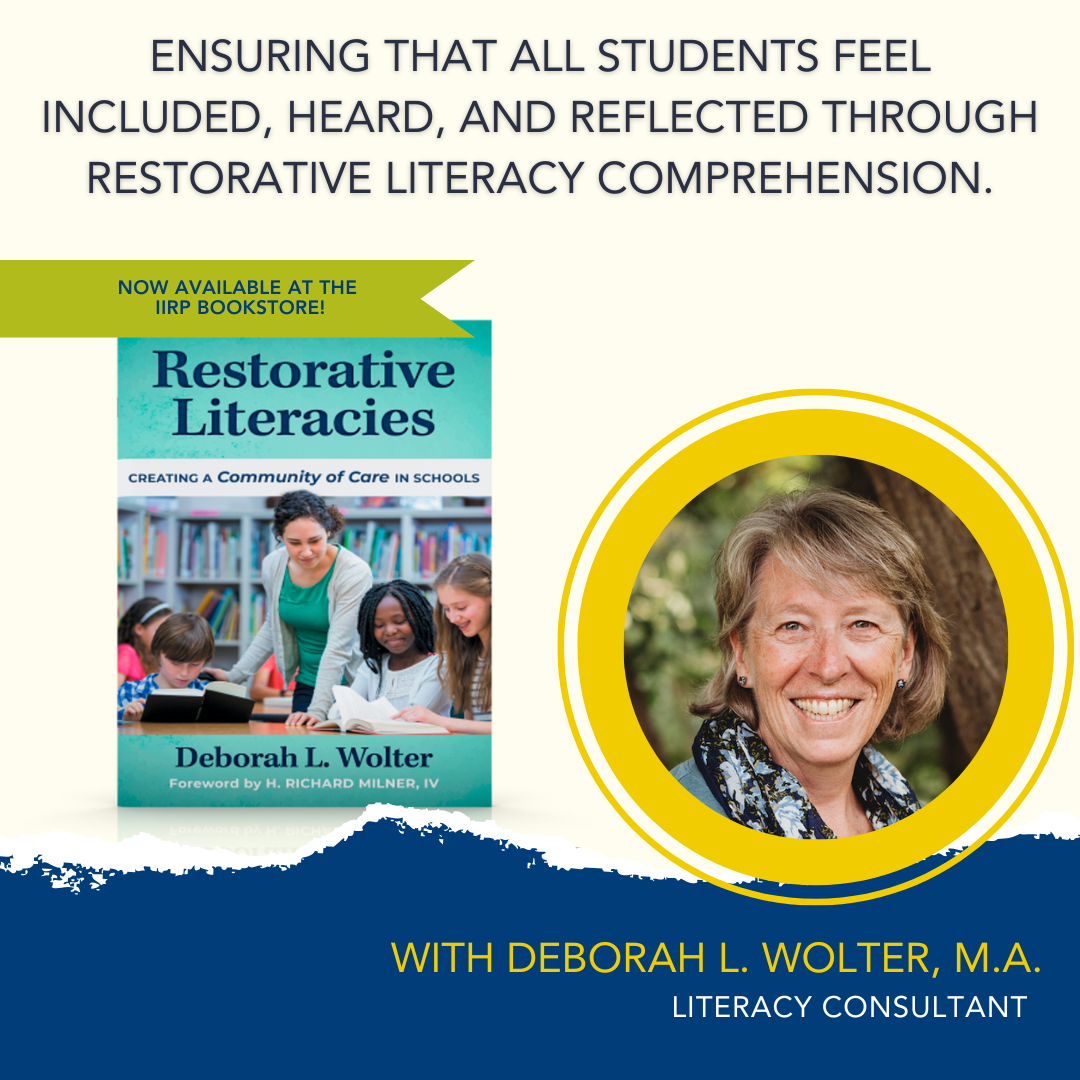
Ensuring that all students feel included, heard, and reflected through restorative literacy comprehension.
In her book, Restorative Literacies: Creating a Community of Care in Schools, Deborah L. Wolter merges multiple literacies with cognitive and metacognitive processes of reading proficiency, fluency, comprehension, and writing effectiveness. With 30 years of experience in education, Deborah walks the reader through inspired, restorative actions that will strengthen students’ understanding of core literary concepts. Educators learn how to incorporate individual students’ stories so they experience racially, culturally, linguistically, and economically responsive instruction in multiple forms of literacies. Restorative Literacies shows us how to build and strengthen positive relationships between readers’ backgrounds and perspectives; their variable skills, proficiencies, and fluencies; the multiple texts they encounter; and the authors of such texts. Deborah invites readers to find peace in the messiness of creation, understanding, and literacy, transforming the classroom into a space where creative interpretation thrives and students find value in the text and amongst themselves.
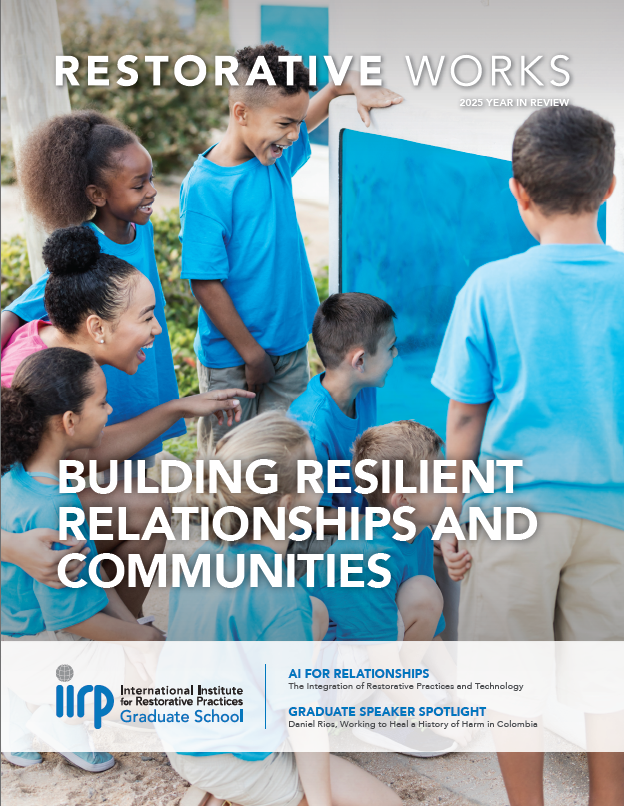
Restorative Works Year in Review 2025 (PDF)
All our donors are acknowledged annually in Restorative Works.