News & Announcements
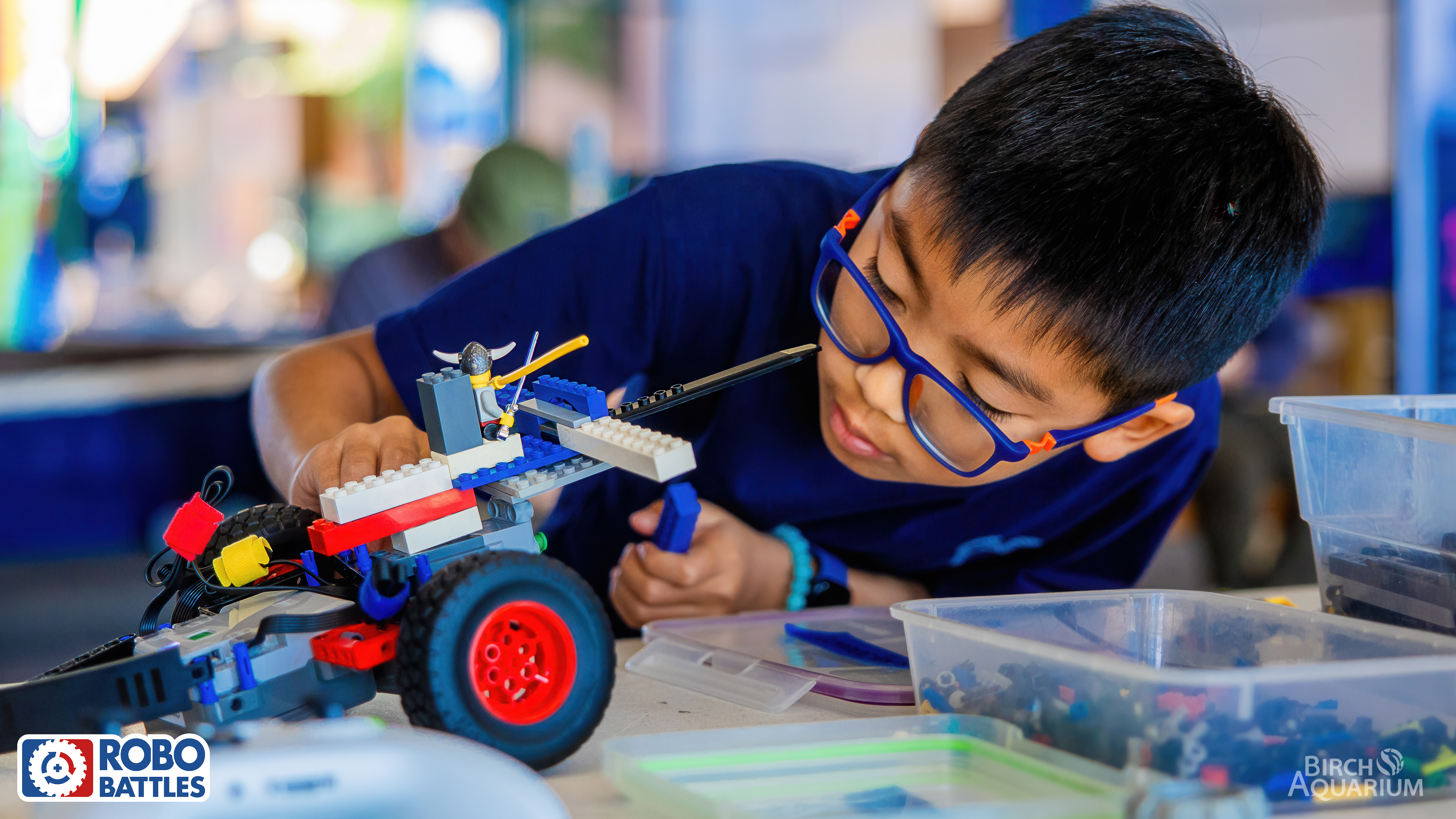
The Grant Imahara Foundation is changing the narrative around how students engage with STEAM Education.
STEAM (Science, Technology, Engineering, Arts, and Mathematics) prepares students for high-demand careers in a tech-driven world, developing critical thinking and problem-solving skills as well as fostering innovation. Yet STEAM programs for youth are often skewed toward young boys and men and focus more on deliverables than on developing essential life skills, such as collaboration, creativity, and resilience. The Life Skills curriculum of The Grant Imahara STEAM Foundation’s RoboBattles competition program wants to bridge the gap in STEAM experiences. The Foundation seeks to introduce STEAM education to a population of students that may not see their interests and motivators reflected in those subject areas and help them increase their life skills, which include being a better global citizen and building better relationships along the way.
Using restorative practices to successfully implement change and navigate conflict
Change happens. In the workplace, it can signal growth and necessary improvement. But to those whom it affects, it can feel scary, unnecessary, or wasteful. Everyone handles change differently. As a leader, how do you successfully manage these differences across your team? Start with relationships.

Serving as a beacon of belonging, supporting students and staff with the restorative practices approaches they need to feel seen and heard.
IIRP alumna Michaela Zelli completed her Graduate Certificate in Restorative Practices and is currently enrolled in the Master of Science in Restorative Practices degree program. Currently, she serves as Belonging and Climate Facilitator in Methacton School District in Pennsylvania.
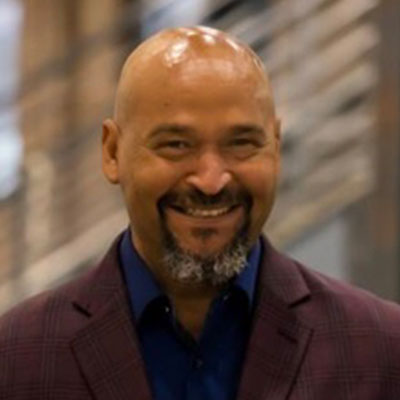
Honoring lived experiences, challenging punitive systems, and creating space for positive outcomes with restorative practices.
IIRP Lecturer Kevin Jones is a seasoned and celebrated practitioner with expertise working in the fields of social services, mental health, and education philosophy, with particular emphasis on working with youth and their families. His work in alternative schools underpinned his dedication to moving away from punitive systems to more just and humane ones. He emphasizes the importance of using restorative practices explicitly to garner better outcomes that can be measured and evaluated over time.
Are you looking for more practical and proactive ways to add to what you are already implementing in your classroom? As a formative assessment tool, our post-lesson circle guide can help you gauge students’ level of understanding, identify areas that might require further explanation or exploration, increase student engagement, and uncover areas where your lesson plan might need adjustments.
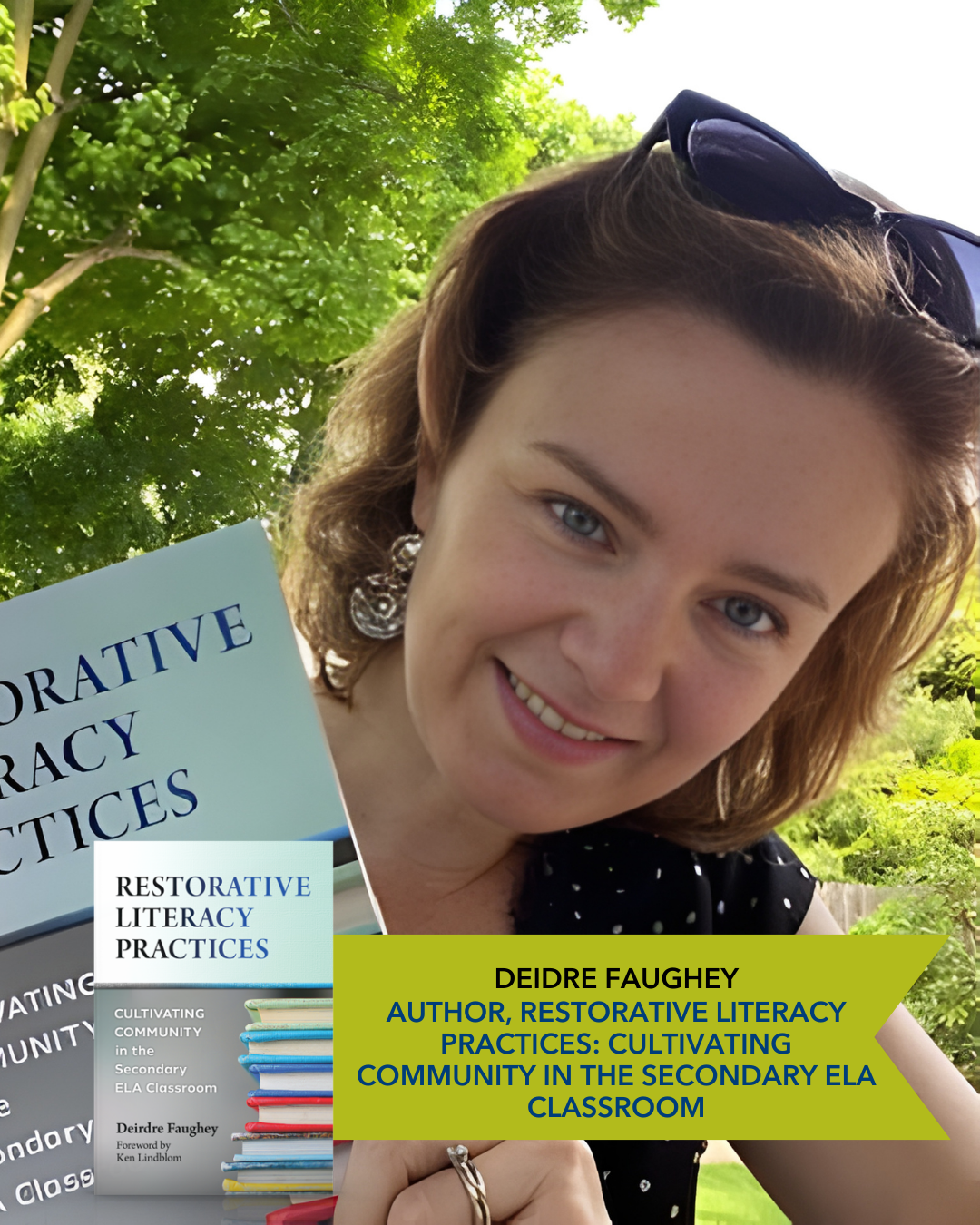
From research to reality, bringing literary concepts to life with restorative practices.
In her book, Restorative Literacy Practices: Cultivating Community in the Secondary ELA Classroom, author Deirdre Faughey invites teachers to engage with their curriculum in new and innovative ways. Rooted in action research conducted in a diverse suburban school district, she shares a framework that encourages teachers to approach their work with a restorative mindset by focusing on four elements of instruction: methods; literature; relationships; and culture, identity, and language.
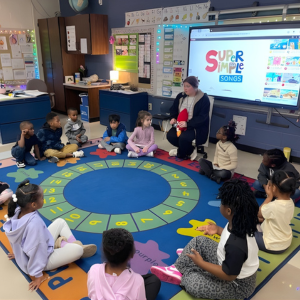
Increased student attendance and an undeniable improvement in climate and culture made possible through restorative practices and a commitment to positive change.
Oakmont Elementary School, one of 109 schools in the Columbus (Ohio) City Schools District (CCS), was ranked in the bottom 10% by school staff during the 2023—2024 school year. But just one year later, Oakmont jumped into the top 10%. How did they do it? It was no accident. They achieved this remarkable turnaround through the implementation of restorative practices, championed by a dedicated principal and prioritized by a committed team of practitioners within the school.
Culture doesn’t happen by accident; you have to create it.
If culture is shaped by what we repeatedly allow, then leadership is shaped by what we repeatedly practice. Supervisors have a powerful opportunity to influence the health of their workplace every day, often in small moments that matter more than policies or perks. Every conversation, decision, and moment of tension sends a message about what really matters at work. When leaders invest time in building healthy workplace habits, they strengthen trust, engagement, and accountability, improving results while also improving the quality of daily working life.

Understand the hidden thought patterns that shape your reactions and how restorative practices can break the cycle for better collaboration.
Research shows that managers waste valuable time spending up to four hours each week managing conflict. Conflict is inevitable, but relationships are a choice. Taking a moment to understand why we react to what we perceive can help us manage our responses in a way that builds stronger relationships, rather than furthering harm or increasing tensions. This can not only save valuable time but also proactively strengthen morale and improve workplace culture. One tool that helps us to reflect and explore this intrapersonal relationship is the Ladder of Inference.

Challenging punitive logic and rethinking gender-based and youth justice through restorative practices
IIRP Associate Professor Dr. Fernanda Fonseca Rosenblatt is a globally recognized restorative practitioner, speaker, panelist, and academic researcher whose passion for justice has been central to her professional career. She is an integral support and guide to the IIRP’s thesis students and a respected book review editor for The International Journal of Restorative Justice. With a strong foundation in youth and gender-based justice, Dr. Fonseca Rosenblatt continues to extend her research to fully examine how justice systems respond to harm, whom they support, and whom they leave behind.
Restorative Works Year in Review 2025 (PDF)
All our donors are acknowledged annually in Restorative Works.