News & Announcements

Challenging punitive logic and rethinking gender-based and youth justice through restorative practices
IIRP Associate Professor Dr. Fernanda Fonseca Rosenblatt is a globally recognized restorative practitioner, speaker, panelist, and academic researcher whose passion for justice has been central to her professional career. She is an integral support and guide to the IIRP’s thesis students and a respected book review editor for The International Journal of Restorative Justice. With a strong foundation in youth and gender-based justice, Dr. Fonseca Rosenblatt continues to extend her research to fully examine how justice systems respond to harm, whom they support, and whom they leave behind.

Turn learning into connection with the Engagement Window Floor Mats and accompanying Activity Guide.
Bring Restorative Practices to life with the Engagement Window Floor Mats! An Activity Guide is included with purchase. Inside are examples and suggestions for training and team-building activities to help users become acquainted with the potential of the mats to enhance reflection, engagement, and problem-solving. Explore a sample activity, Four Corners: Conflict, here.
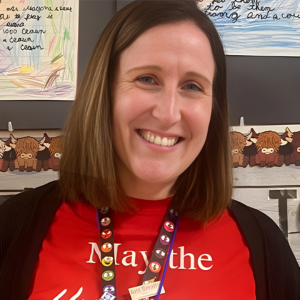
Creating a school environment that truly breathes restorative practices into its culture.
Angela McQuinn is an IIRP student who earned her graduate certificate in Restorative Practices in 2021 and is now pursuing a Graduate Certificate in Relational Facilitation for Healing Trauma.
Understanding the interplay between our behavior and our cognitive development, relationships, and environment is an important way to continue self-development and growth. One examination framework to employ is the Social Ecological Model (SEM), which proffers that our actions are shaped by multiple, interconnected layers of influence much more than they are by personal choice.

Download Your Guide to Successful Project Implementation
If your team has identified an intervention, program, or approach that you know should work in your setting, but you are struggling to sustain implementation, you are not alone! You need to move from what works to knowing what works, where, and under what conditions.1
How intentional one-on-one conversations build trust, culture, and collective capacity
One of my favorite quotes is by the late great Maya Angelou, which says, “I’ve learned that people will forget what you said, people will forget what you did, but people will never forget how you made them feel.” These feelings, good or bad, are rooted in trust, safety, voice, and agency, which are foundational to strong relationships.

Join a dedicated team of changemakers expanding global access to healing, connection, and justice. The IIRP’s newly launched Development Advisory Group comprises a powerful network of individuals committed to advancing our mission, vision, and values—and to amplifying our global impact. This forward-thinking team plays a vital role in shaping innovative fundraising strategies, sparking high-impact partnerships, and expanding access to restorative practices for individuals and communities around the world.
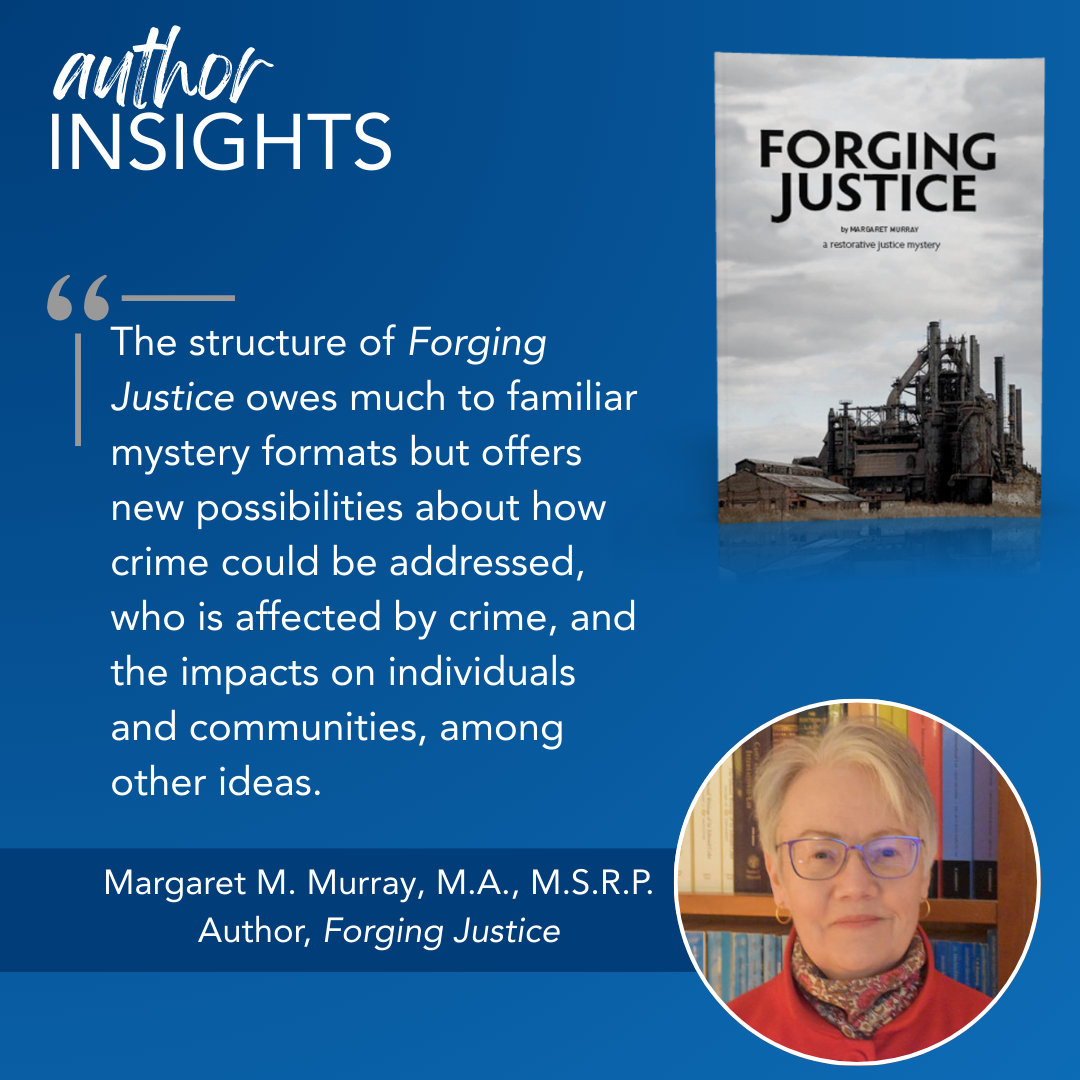
The mystery genre meets restorative practices
Margaret Murray, the IIRP’s editorial director of new publications and former librarian, is the author of the book Forging Justice. This mystery novel illustrates how restorative justice might be used to address criminal behavior. Margaret’s passions for literature and restorative justice serve as the foundation for the premise of her unique publication.
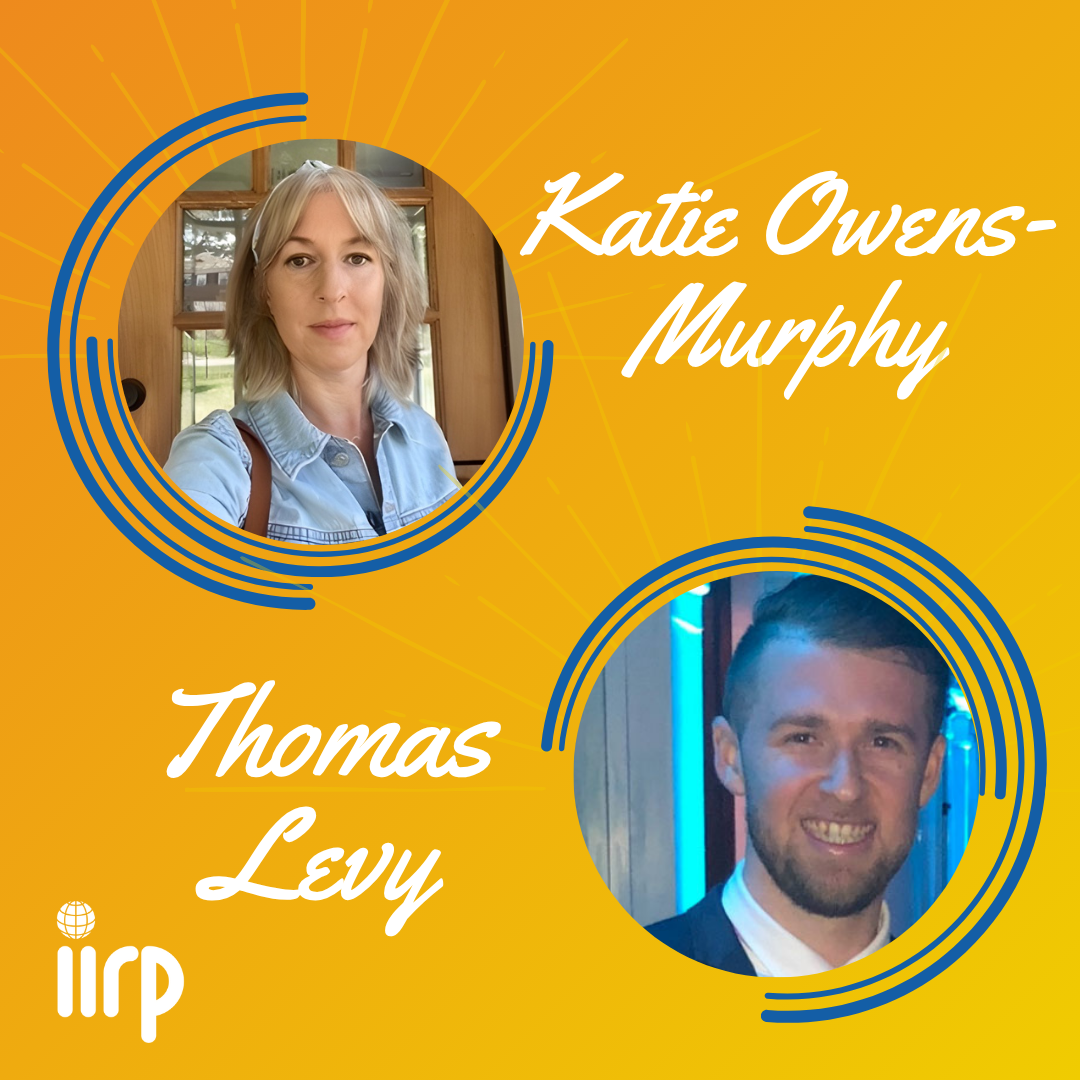
Congratulations to IIRP alum Katie Owens-Murphy and current student Thomas Levy, for successfully defending their theses in Summer 2025! The thesis option provides students with the opportunity to bridge scholarship and practice. Through an investigation into their specific area of interest, students truly dig into the uses and mechanisms of restorative justice and restorative practices in various contexts. Offering students a pathway to publication and growing their experience with research, thesis students are encouraged to explore the intricacies of the application of restorative practices, its influence on outcomes, and where pitfalls may appear.

AI is more than summaries and automation; it has the potential to strengthen and relationships for greater connectivity and collaboration.
The quickly expanding uses of Artificial Intelligence (AI) are seemingly boundless. From home kitchens to space stations, AI has found its way into many aspects of human life. But what about using AI to improve our relationships? AI for better conversations with fellow humans? Can AI support the use of restorative practices?
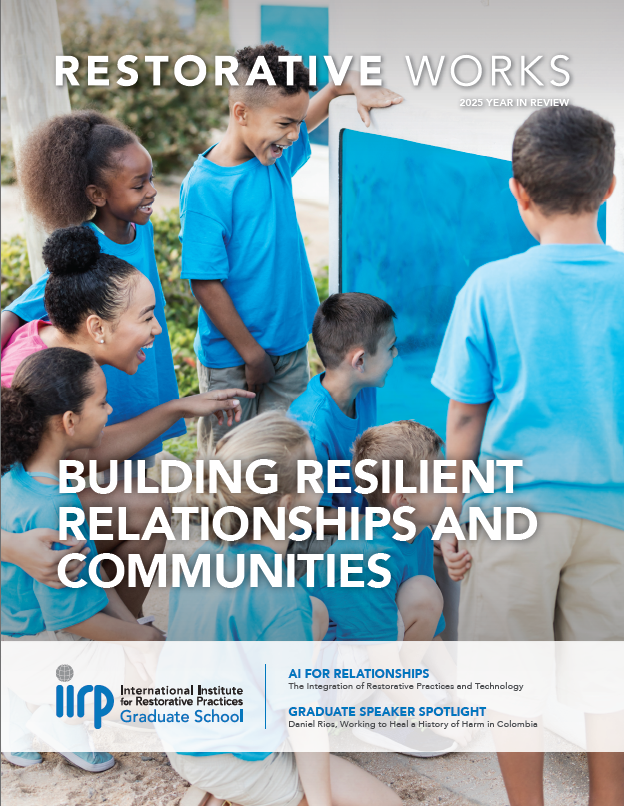
Restorative Works Year in Review 2025 (PDF)
All our donors are acknowledged annually in Restorative Works.