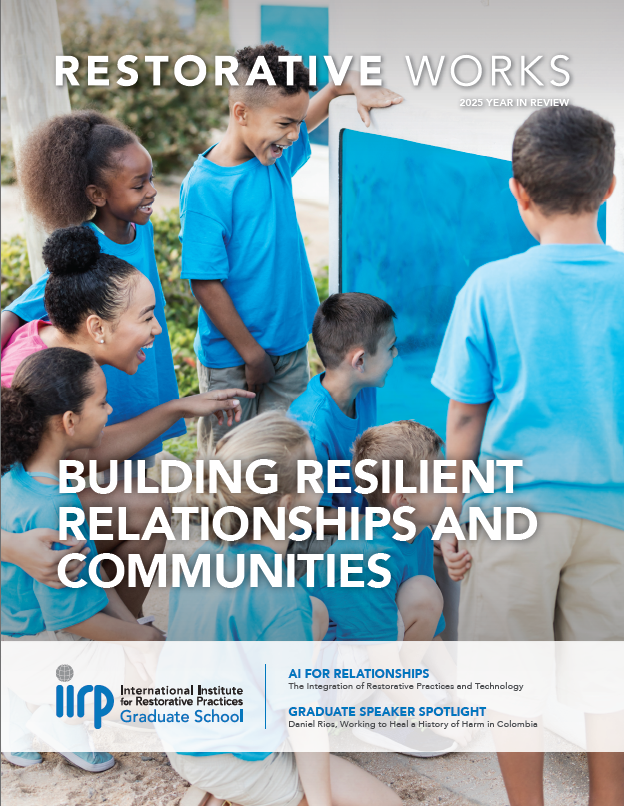
Download Your Guide to Successful Project Implementation
If your team has identified an intervention, program, or approach that you know should work in your setting, but you are struggling to sustain implementation, you are not alone! You need to move from what works to knowing what works, where, and under what conditions.1
To better understand and address some of these conditions, it is helpful to define a few key terms: Innovations, Diffusion of Innovations, and Determinants:
- Innovations are generally the interventions, practices, or approaches that we are trying to implement well. An example of an innovation might be the integration of a company-wide software change or the implementation of restorative practices into the daily practices of a school district.
- Diffusion of Innovations describes a continuum of approaches to improving the quality of a given practice, with the most passive and unpredictable being diffusion, where we ‘let it happen’, dissemination, where we ‘help it happen’ through targeted and negotiated distribution to specific audiences, and implementation being our most active approach, where we ‘make it happen’ through strategic planning focused on broad and regulated adoption.2
- Determinants are the variables that either help or hinder the successful implementation of an evidence-based innovation.3 These can be described as barriers vs. facilitators, or risk vs. protective factors, and can include characteristics of the innovation itself, the setting in which it is being implemented, or the implementation process.
Taking the time to identify how these terms align with your specific environment will help you create a more seamless implementation process. Fill in your information to receive Your Guide to Successful Implementation, with definitions, questions, and considerations that will support your first steps to making change happen.
References
[1] Damschroder, L. J., Aron, D. C., Keith, R. E., Kirsh, S. R., Alexander, J. A., & Lowery, J. C. (2009, 2022). Fostering implementation of health services research findings into practice: A consolidated framework for advancing implementation science. Implementation Science, 4(50). https://doi.org/10.1186/1748-5908-4-50.
[2] Greenhalgh, T., Robert, G., Macfarlane, F., Bate P., & Kyriakidou, O. (2004). Diffusion of innovations in service organizations: Systematic review and recommendations. The Milbank Quarterly, 82,4, 581-629. https://onlinelibrary.wiley.com/doi/pdfdirect/10.1111/j.0887-378x.2004.00325.x
[3] Forman, S.G., Olin, S.S., Hoagwood, K.E., Crowe, M., & Saka, N. (2009). Evidence-based interventions in schools: Developers’ views of implementation barriers and facilitators. School Mental Health, 1, 26-36. https://doi.org/10.1007/s12310-008-9002-5;
Lyon, A.R., & Bruns, E.J. (2019). From evidence to impact: Joining our best school mental health practices with our best implementation strategies. School Mental Health, 11 (1), 106-114. DOI: 10.1007/s12310-018-09306-w