Serving as a beacon of belonging, supporting students and staff with the restorative practices approaches they need to feel seen and heard.
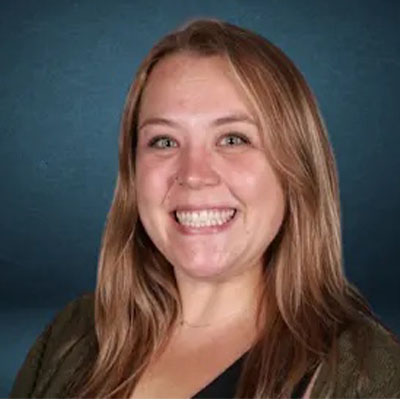
IIRP alumna Michaela Zelli completed her Graduate Certificate in Restorative Practices and is currently enrolled in the Master of Science in Restorative Practices degree program. Currently, she serves as Belonging and Climate Facilitator in Methacton School District in Pennsylvania.
In this role, she supports students and staff by facilitating conversations, circles, and interventions that repair harm and strengthen relationships, guided by restorative practices. She also works with educators and administrators to build systems that promote belonging, accountability, and positive school climate across the district. She is dedicated to supporting the fidelity of restorative practices across her school district and beyond.
Q: What brought you to the IIRP?
A: While I was teaching in the school district in Lancaster, PA, our staff was offered an opportunity to be trained in restorative practices as part of a district-wide initiative. When I attended my first training session, I was captivated. The ideas immediately resonated with how I believed relationships and accountability should work. I began to see how restorative practices could transform not only discipline but also the way communities build trust, address harm, and support growth. That initial experience sparked a deep interest that eventually led me to pursue my certificate and now my master's through the IIRP.
Q: Please tell us about your professional work now and what makes you passionate about it.
A: Ever since I was young, I wanted to be a teacher because I loved learning and helping others discover their own potential. I also grew up with a complex family dynamic and experienced significant trauma in my childhood. Those experiences shaped the way I see people, relationships, and the importance of feeling safe and valued within a community.
Today, I serve as a Belonging and Climate Facilitator in the Methacton School District, where I support students and staff through conversations, circles, and interventions that focus on repairing harm and strengthening relationships. My role also involves helping educators understand how restorative approaches can support belonging, accountability, and community-building in schools.
What fuels my passion for this work is witnessing the moment when people truly feel heard and understood. Restorative practices create space for empathy, responsibility, and growth in ways that traditional discipline systems often cannot. Being able to help individuals navigate difficult situations while preserving dignity and connection is incredibly meaningful to me.
Q: What would you like to see happen in the future of this work?
A: In the future, I hope to see restorative practices become a foundational approach within schools rather than an alternative to traditional discipline. My goal is to help build systems where relationships, accountability, and belonging are prioritized across entire communities.
As I continue my work, I hope to support the expansion of restorative practices through training, leadership development, and district-wide implementation so that more educators feel confident facilitating these processes. Ultimately, I believe restorative practices have the power to transform school culture by helping people feel connected, responsible to one another, and supported when harm occurs.