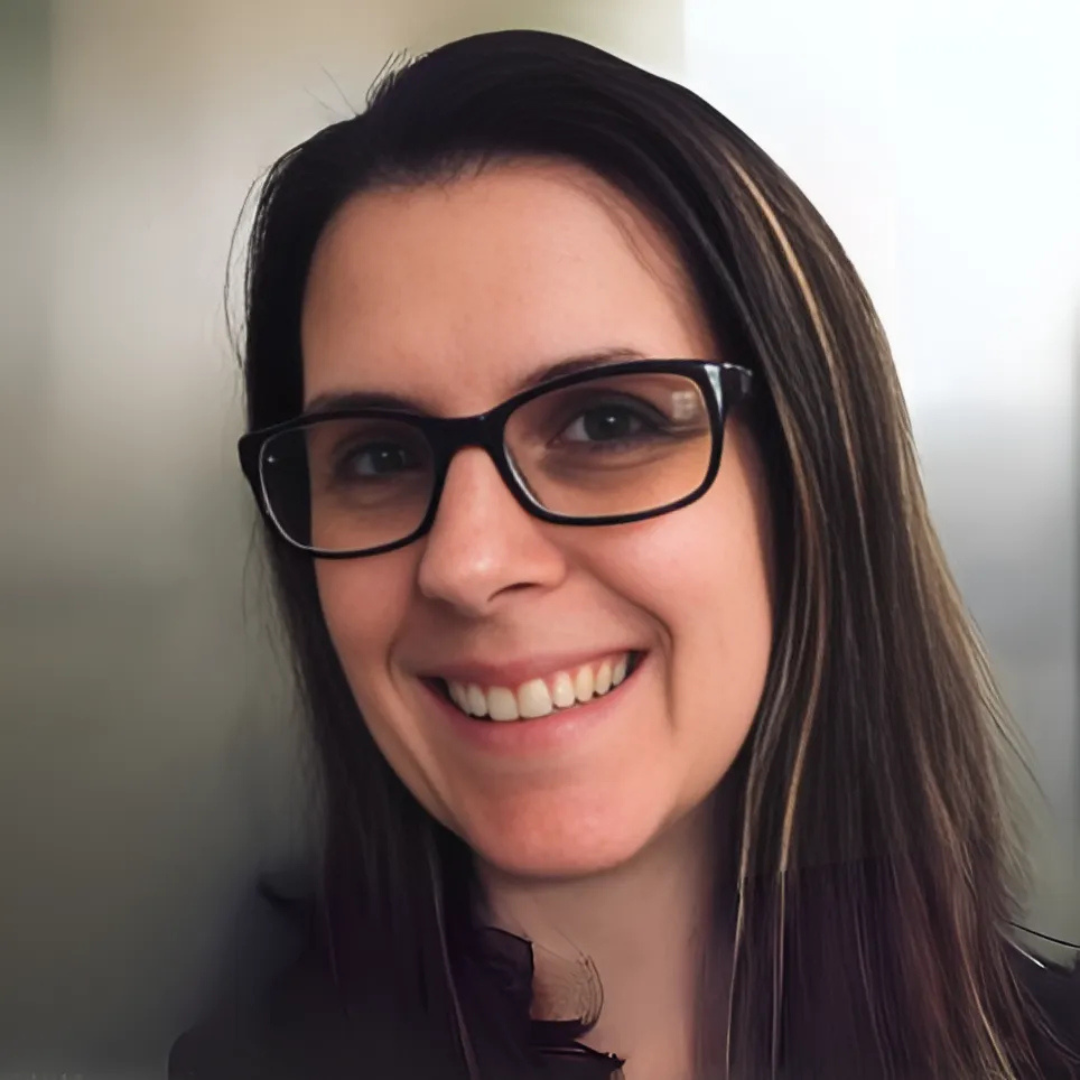
Seeking growth for, and with, her students.
Jodi is a current IIRP student pursuing her Master of Science in Restorative Practices with a specialization in Education. She is a 2nd-grade teacher at a Title I school in the Finger Lakes Region of upstate New York. Her passion for continued personal growth—to the benefit of her students and their growth journeys—is what inspired her to seek an education in restorative practices. She is deeply committed to being a light in the classroom and a supporter of the expanded implementation of restorative practices throughout her own school community and districts across the US.
Q: What brought you to the IIRP?
A: As I was researching fields of interest to continue my education, the IIRP quickly rose to the top of my list due to its commitment to engaging learners, and thereby communities, with the education and tools needed to affect positive change. Everyone that I have encountered at the IIRP has been welcoming and encouraging. The IIRP is not simply a school—it is a true community of lifelong learners who all have a deep desire to help others.
Q: Please tell us about your professional work now and what makes you passionate about it.
A: I am passionate about giving children the tools they need to communicate effectively, problem-solve and collaborate with others, and build resilience within themselves. My work is currently focused within my classroom and school with the students, staff, and families that I encounter on a day-to-day basis. As I work with my students on the restorative practices and skills that the IIRP has brought to life for me, I am also changing. As an educator, it is essential to me to continually grow in my knowledge and skills, so that I can go beyond the required expectations of teaching content to inspire children and encourage their growth.
Q: What would you like to see in this restorative work in the future?
A: In my lens as an educator, I would like to see school districts embrace the pillars of restorative practices and work to embed those practices into every aspect of the school system. From parental communication and social-emotional learning to staff development, classroom management techniques, and district-wide decisions, there are benefits that restorative practices can provide in each situation. My hope would be that school districts would have a full-time restorative practices position that would help schools to work with all stakeholders to accomplish their stated goals.