Using evidence-based practices to support the mental, emotional, and physical well-being of justice-involved youth in Omaha.
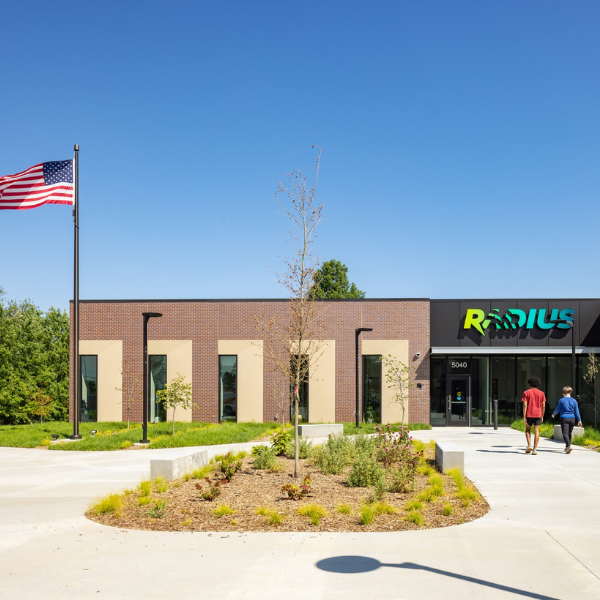
When a child is removed from their community, they lose more than just their place of being; they lose a continuity of care that affects their recovery in many ways. RADIUS, in Omaha, NE, was established to stop the cycle of loss.
RADIUS, a non-profit organization serving youth ages 12-18 with a focus on restoring relationships between youth, families, and their community, is filling a vital gap in youth services in Omaha. Their mission is to offer care and counsel to Omaha youth involved in the juvenile justice system without disruptions in family relationships, education, and local support networks, which are essential to their future success.
Before RADIUS, Omaha youth with particularly complex cases would be sent out of state to receive services, disconnecting them from their community and continuity of care. This caused further delays in re-entry into the home and their community, stagnating their access to education and their ability to meet their educational goals, be it graduating high school, earning their GED, applying for college or a vocational school, or preparing to enter the workforce.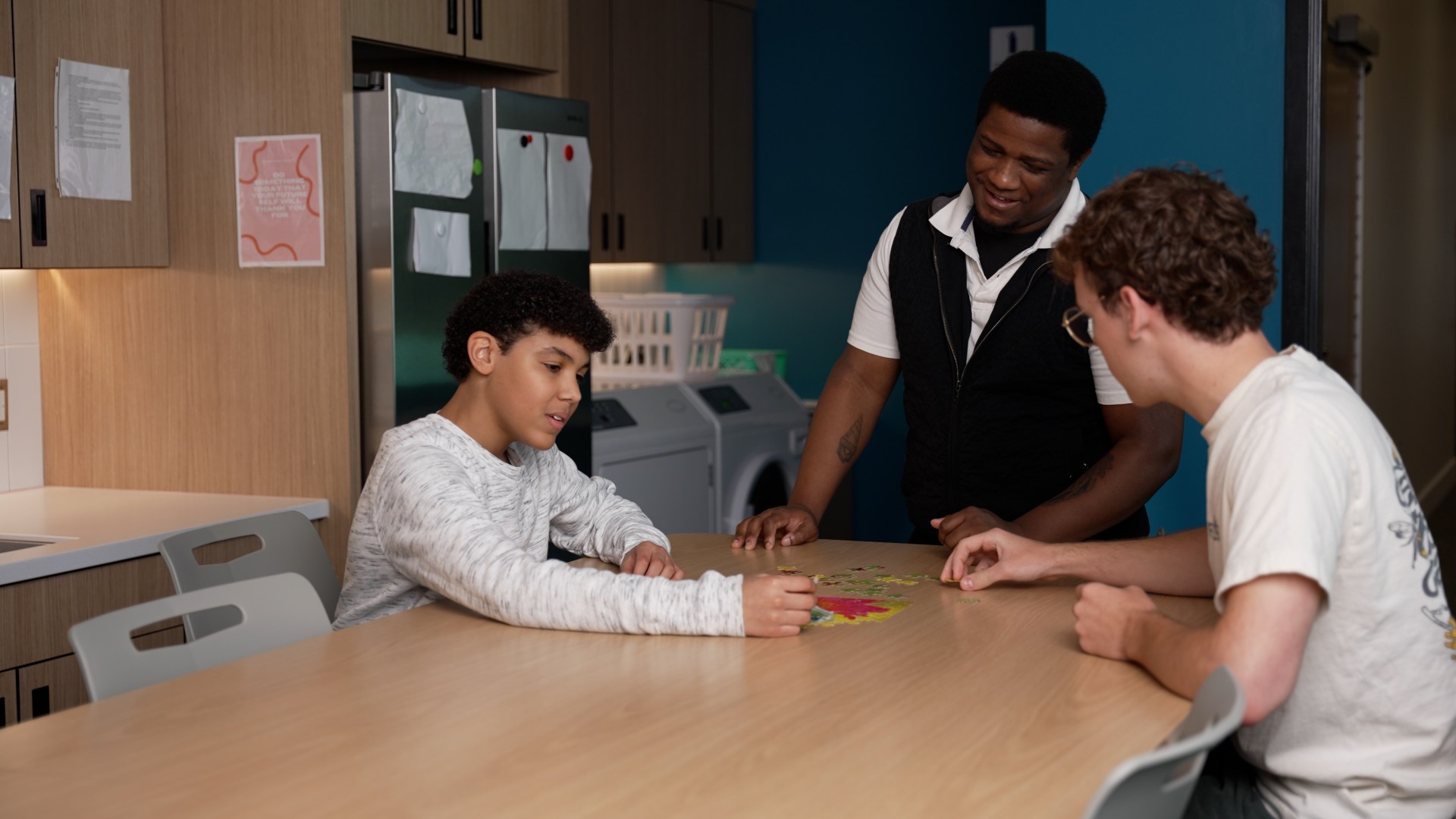
The evidence-based programs at RADIUS provide a combination of four services to help youth and their families, before, during, and after their time in the program. Services include residential, in-home, school, and behavioral health treatment. They are supported by their partnership with the Juvenile Justice Institute (JJI) in the School of Criminology and Criminal Justice at the University of Nebraska Omaha. JJI partnered with RADIUS and the IIRP in 2023 to launch their commitment to restorative practices throughout their organization. Through their partnership and support from the IIRP and other organizations, they have integrated restorative practices into their programs, policies, culture, and leadership ethos. The result of this collaboration has allowed for youth involved in the program to recover 390 school credit hours, and 95% met their behavioral health goals as of 2024.
Evidence of restorative practices taking root in the culture at RADIUS includes youth often taking the lead in running and initiating circles in response to peer-to-peer bullying, completely unprompted by RADIUS staff. The Family Power program, where family coaches bring together the families and their youth, also brings restorative practices back home for the youth at RADIUS. Focusing on relationship repair, the circle format allows youth to address and take accountability for the harm they caused and hear from family members how it affected them. This provides a space for healing to help repair those family relationships as they are working toward re-entry back into the home.
RADIUS strives to incorporate restorative practices with fidelity as they integrate principles into their policies and procedures. Leadership at RADIUS utilizes a restorative ethos across the organization, addressing conflict and proactively building relationships and capacity for restorative practices implementation with staff. Tim Hron, Chief Program Officer at RADIUS, says, “It is innovative. It really challenges some of us old-school folks. It’s changing the way we’ve been trained. It’s almost like we’re deprograming our structure of knowing from behavior modification to an innovative approach that’s been more beneficial to the longevity of that positive change within kids’ and families' relationships.”
Looking toward the future, RADIUS aims to strengthen Omaha’s continuity of care by facilitating training for local juvenile court judges and probation officers on restorative practices and restorative justice. This can establish a common language and blanket of conceptual understanding so that youth receive the services they need to re-enter their families and communities.
To learn more about large-scale implementation practices, visit the Resources page on our website or contact our Client Relations team for more information.