News & Announcements

October 27-29, 2014 | Bethlehem, Pennsylvania
Pre/post-conference Oct. 25-26 & Oct. 30-31
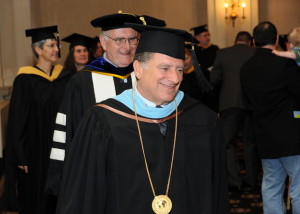
Passionate about the power of restorative practices — giving people a voice and a choice in things that matter to them — to build social capital and improve civil society, Ted envisioned and founded the IIRP and shepherded its expansion across the globe — in education, justice, social services and other fields. Ted was also the driving force behind the establishment of the IIRP as an accredited graduate school and the recognition of restorative practices as a field worthy of study at the graduate level.
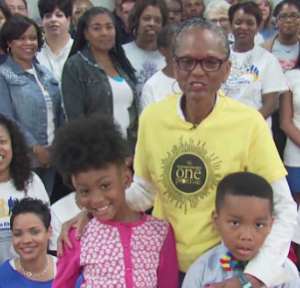
One in five students was suspended from Pittsburgh Public Schools last year. One school suspended 79 percent of its students. What’s more, many students say they feel they have to fight to defend themselves in school.
To make their schools safer, the leadership of Pittsburgh Public Schools, like those in several other school districts across the country, is embarking on a watershed project to implement restorative practices — a proven alternative to ineffective and harmful zero tolerance policies.

Chicago Public Schools (CPS), the third largest district in the U.S., is collaborating with more than two dozen Chicago-based organizations to end the school-to-prison pipeline by implementing restorative practices.
Ten years of grassroots organizing and practice has raised community awareness and helped demonstrate the effectiveness of restorative justice. Efforts have also led to policy changes, such as the revision of the CPS Student Code of Conduct and the city’s Juvenile Justice Code, which explicitly include restorative justice. Balanced and Restorative Justice, according to the CPS Student Code of Conduct include “ways of thinking about and responding to conflicts and problems by involving all participants to identify what happened, describe how it affected everyone, and find solutions to make things right.”
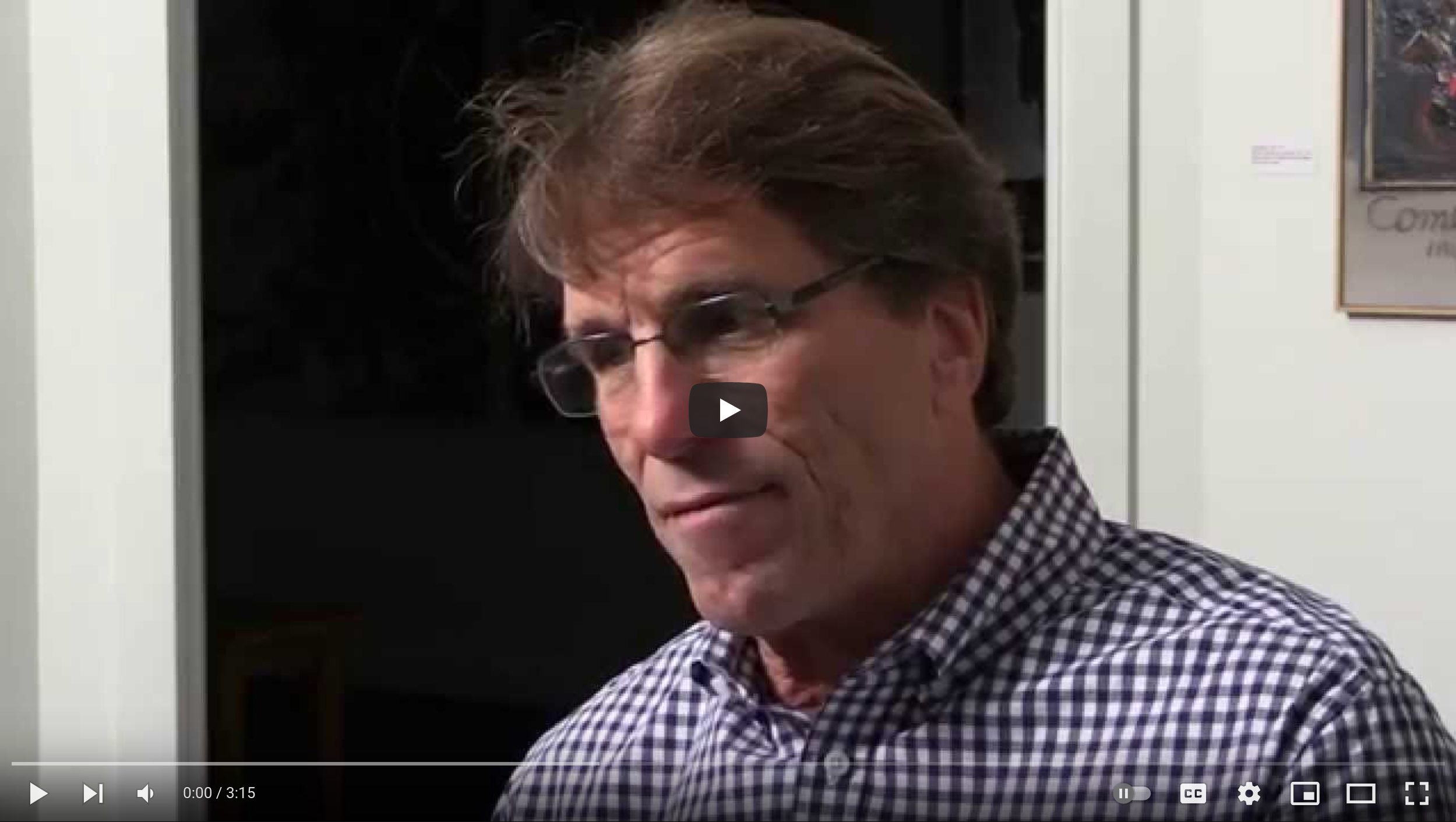
Bullying is a great area of concern, especially in schools. In this video, IIRP Instructor Lee Rush talks about the way restorative practices dovetails with bullying prevention.
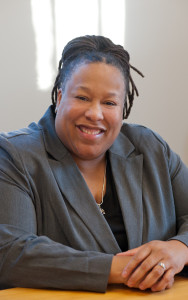
Dr. Stacey Miller, Director of Residential Life at the University of Vermont (UVM) since 2003, receives a lot of calls from people across the country inquiring about how they can bring restorative practices to their campuses. “I can feel the momentum swinging. It’s going to tip,” she says.
Miller was elected this month to serve on the IIRP Board of Trustees. Her enthusiasm for restorative practices has made her an effective leader of implementation efforts in her department and across campus. Now she will bring that leadership to the Board of the IIRP. “I am honored to have even been asked,” Miller says. “I am really humbled by the opportunity to participate and be a Board member.”
An invitation to students, parents, teachers and community organizations
Introduction to Restorative Practices – An Educational Workshop
Three dates: Sat., Oct. 18 or Sat., Nov. 8 or Sat., Dec. 20 (Each day runs 8:30 am–3:30 pm.)
Location: School District of Philadelphia Education Center, 440 N. Broad St., Philadelphia, PA 19130
The restorative environment at Community Service Foundation and Buxmont Academy (CSF Buxmont) schools for at-risk youth enhances the effectiveness of the Aggression Replacement Training® cognitive-behavioral intervention program.
This is why the Aggression Replacement Training program is more effective with youth at CSF schools than with other Pennsylvania youth, theorizes CSF Buxmont Executive Director, Dr. Craig Adamson. “At CSF Buxmont schools, students are surrounded by a supportive treatment model that includes counseling and peer support, which creates many opportunities — all day long — to enrich what students are learning in the Aggression Replacement Training program,” says Dr. Adamson.

This piece, by Laura Mirsky, the IIRP's assistant director for communications, was published originally by Educational Leadership Magazine, Summer 2014, Association of Supervision and Curriculum Development (ASCD). Download a pdf of the article from Educational Leadership.
When schools use restorative practices to build relationships and community, students’ attitudes change for the better.
In April 2014, students at Warren G. Harding Middle School, in Philadelphia, Pennsylvania, had just finished a week of state testing, which they had found very stressful. Like all Harding’s teachers, 7th grade language arts teacher Denise James had her students sit in a circle and discuss the purpose of the tests and how they felt about having to take them.
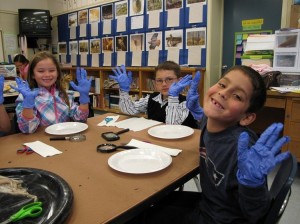
Recently Simpson got in back in touch to say that he had moved to the West Coast over a decade ago. He wrote, “RJ is beginning to get a toe-hold in Sonoma County where I work as a Superintendent/Principal” of Two Rock Elementary School in Petaluma, California. He is now in the process of helping to bring restorative practices to the 40 school districts of Sonoma County.
Restorative Works Year in Review 2025 (PDF)
All our donors are acknowledged annually in Restorative Works.