With their latest project, Columbus, staff are having a positive impact on family relationships, tackling a persistent issue with Belgium's social services system. People in crisis were waiting six months or more for assistance, causing problems to escalate and explode. In a small pilot program (10 cases), Columbus staff intervened quickly and directly in 10 family emergencies, and only two (20%) of the cases had to go to intensive youth care. Subsequently, the Belgian government financed a trial of 100 cases, with research performed by University of Leuven and Ghent. In that trial, only 18% of cases had to go to intensive youth care.
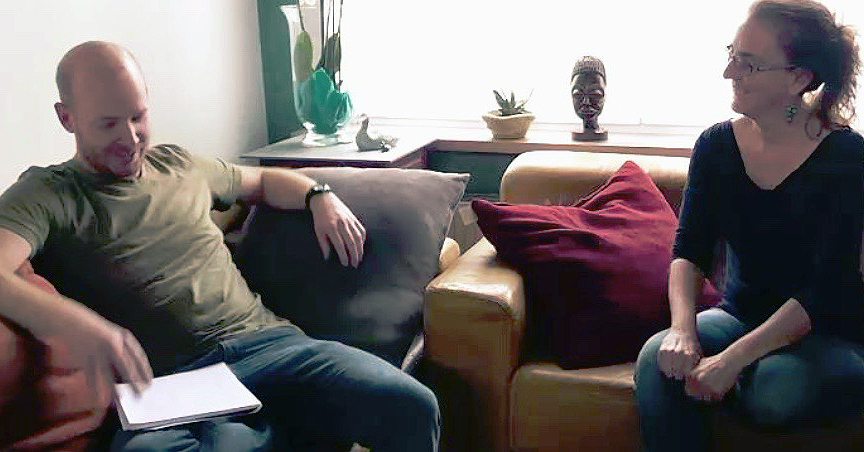
The work at Ligand began in 1975 with Oranjehuis, a residential group home for young people in trouble with the law who were referred by the court. Over the years, the focus at Oranjehuis shifted from reactive to proactive and preventive strategies, including restorative circles to build relationships.
They now work in a broader context with families. Originally, young people lived in the group home fulltime. To incorporate more family engagement, youth now live at Oranjehuis two-to-three days a week and at home for the rest of the week. This is because, as Deprez explains, "Youngsters are not the problem. They show us the problem."
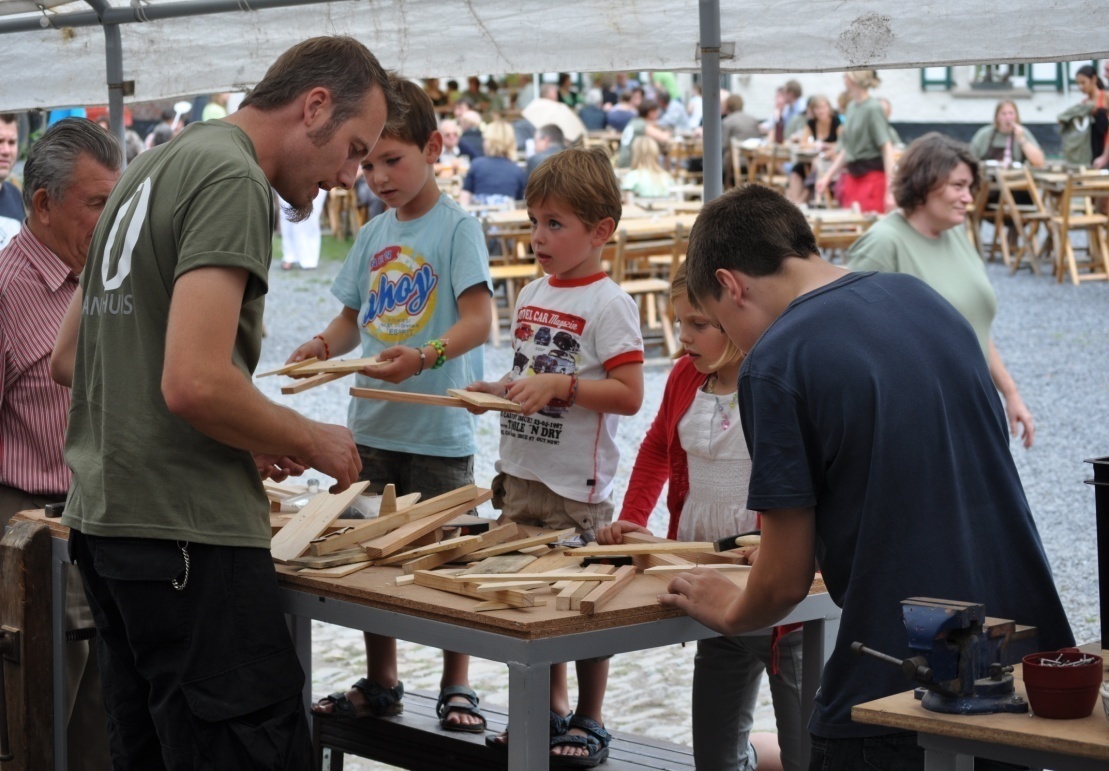
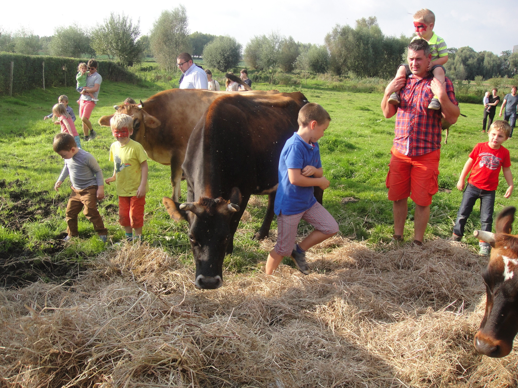
Ligand's education program, Aura, also has seen a series of innovations since its beginning in 1980. It has evolved to provide hands-on and vocational experiences to engage youth, build their future and integrate them into the community. Youth work in the garden and with animals at a community farm and also operate and maintain a canal boat. Constant local outreach has improved Ligand's relationships with the community, who had previously viewed these students with suspicion.
In another undertaking that will involve the community, Oranjehuis recently acquired a local monastery. They plan to convert it to living and training spaces, as well as a place for inspirational and spiritual pursuits, for local residents who have a connection with the monastery as a church.
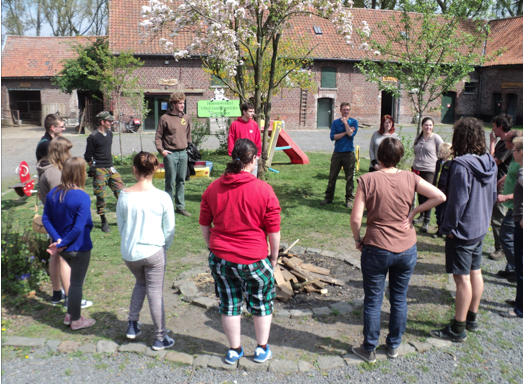
The partnership between the IIRP and Ligand promises a future full of restorative innovation.