Working to break the cycle of poverty for youth in Kenya through mentorship, digital literacy, and transformational healing.
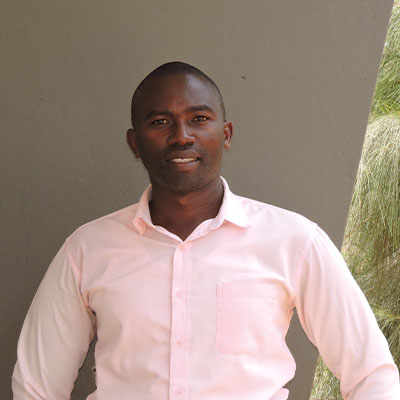
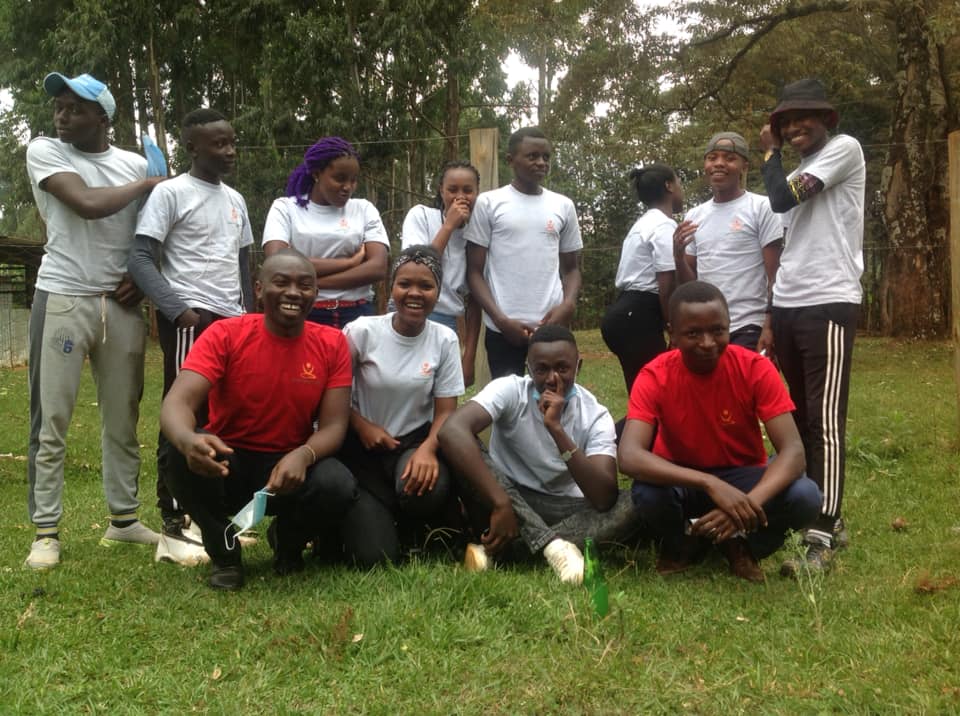
James Mureithi, '26, is an IIRP Impact Scholar who earned his Master of Science in Restorative Practices. He serves as founder and executive director at Youth Promise Centre, Kenya, where he organizes programs in mentorship, digital literacy, and family empowerment. Programs at Youth Promise Centre offer a safe and supportive environment for orphaned and at-risk youth with mentorship programs focused on building life, leadership, and technology skills.
They also welcome adult learners seeking to expand their digital literacy and computer skills. Along with his work at the Centre, James serves as lead and founding pastor at Family Worship Church in Embu, Kenya, supporting community outreach and promoting spiritual growth. His work blends restorative practices with faith‑based leadership to build resilient, inclusive communities. According to The Kenya National Bureau of Statistics’ Brighter Futures: Breaking Cycles of Poverty for Kenya’s Children Report, there are 23.5 million children in Kenya, which represents half of the country’s population. Fifty-five percent of those children are affected by multidimensional poverty, experiencing deprivation in at least three dimensions of their well-being simultaneously, such as access to healthcare, education, shelter, or nutrition. James’ work directly supports those dimensions of well-being, working to improve the lives of the children in his community through education and skill-building that empower. Below, James explains how his education at the IIRP shaped his practices and positioned him to create transformational change for the youth in his community.
Q: What brought you to the IIRP?
A: As both a pastor and the executive director of Youth Promise Centre, Kenya, I was searching for a framework that could strengthen community healing and youth empowerment. The IIRP Graduate School offered a unique blend of academic rigor and restorative practices that aligned perfectly with my vision of building inclusive, spiritually vibrant, and resilient communities.
“Every time I hear stories from these kids, they connect with my story. I love to listen, and it becomes part of healing to me and helps motivate me to help others to heal. Restorative work has helped me be more intentional in relationship building as opposed to just having transactional encounters.”
A: My greatest takeaway was that restorative practices are not just interventions, but a way of life. They create spaces of dignity, accountability, and belonging. I learned that sustainable transformation happens when people are given voice, respect, and responsibility in shaping their communities. Above all, I learned the importance of offering a safe space where people can feel secure to share and be heard.
Q: What course had the biggest impact on your learning and why?
A: Many courses, actually all of them, gave me a platform to gather tools for relationship building. It’s rather hard to build relationships without knowing people, and knowing them has to do with listening to them intentionally, without necessarily being in a hurry to respond. RP 645 Transgenerational Resilience and Community Striving had the deepest impact on me. It opened my eyes to how trauma can ripple across generations, shaping families and communities long after the original event. This course gave me tools to recognize those patterns and facilitate healing processes that restore hope, rebuild trust, and break cycles of pain. It was transformative both personally and professionally. I am very careful to help heal and not cause more hurt as I try to help heal others.
Q: Please tell us about your work in restorative practices now and what makes you passionate about it.
A: Currently, I am applying restorative practices through Youth Promise Kenya’s programs, including mentorship, digital literacy, and rescue missions for children affected by homelessness and housing insecurity. I love stories, I love listening to stories, and circles of stories are producing circles of hope at Youth Promise. I plan to establish circles of hope for transforming the kids, bringing stakeholders together to help hopeless kids and teens in reclaiming hope, helping families rebuild trust, and guiding communities to find pathways to peace and opportunity. Some stories are very painful to listen to, but empathy helps to identify with the storytellers, and healing becomes part of the process.
Q: What would you like to see happen in the future of this work?
A: I envision restorative practices becoming embedded in schools, churches, and community organizations across Kenya and beyond. My hope is to see restorative approaches shaping national policies, guiding youth empowerment initiatives, and fostering global partnerships that prioritize healing, justice, and inclusion.