Rebuilding Family Bonds through Stories and Skill Building
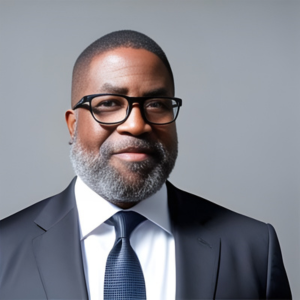
Alumnus Arthur Thompson, Jr., educational trainer, life coach, and founder of Connection B4 Correction Inc., works with schools, families, and communities to promote life skills grounded in restorative practices and social-emotional learning. His career history reflects a deep care for community cohesiveness, interpersonal understanding, reducing acts of harm, and creating environments where all people can thrive.
Arthur continues to extend his expertise with the publication of his book, A Story of Family Restoration, a powerful memoir about healing broken family bonds using restorative practices, offering readers actionable insights to improve familial relationships and promote generational healing.
Q: What brought you to the IIRP?
A: I started my career doing restorative justice work in the D.C. prison system. I would conduct church services twice a week and provide support for the inmates upon their release. I trained with the Prison Fellowship in 1991. Later on, I moved into the local school system, where I became a crisis intervention resource teacher. At that time, the school system was transitioning to using restorative practices across the school district. A team from the school and I had the opportunity to travel to California for a professional development event with the IIRP. That is where I discovered the language for what I had always felt I was doing. I had always been, and worked in a way that was rooted in restorative practices, but lacked the formal process.
Q: Please tell us about your professional work now and what makes you passionate about it.
A: I am passionate about building a community where trust, empathy, and accountability are prioritized through my work at Connection B4 Correction, Inc. Restorative practices help staff and families build stronger connections with students and each other, establish social norms based on understanding, and repair harm when conflicts arise. This holistic approach ensures that these principles are not just theoretical but are actively practiced and lived out in daily interactions.
Q: What does your restorative work look like now?
A: Recently, my focus has been on building skills in restorative practices within families. Through my non-profit, I have spent the last three years developing strategies and tools for families to heal and restore their relationships at home. I have written a book sharing stories of family dysfunction that emphasizes the need to develop a restorative mindset to strengthen familial bonds. Additionally, I created a workbook for parents looking to increase their skills with the goal of parenting restoratively.