News & Announcements
Key takeaways:
- Southern New Hampshire University chose restorative practices as an evidence-based framework for working better together as a mostly remote workforce supporting over 200,000 students worldwide, 183,000 of whom are online.
- Participatory multi-tiered implementation makes organization-wide restorative practices sustainable.
- Program fidelity is achievable when leadership is invested in restorative practices training, coaching, continuing education, and practical application.
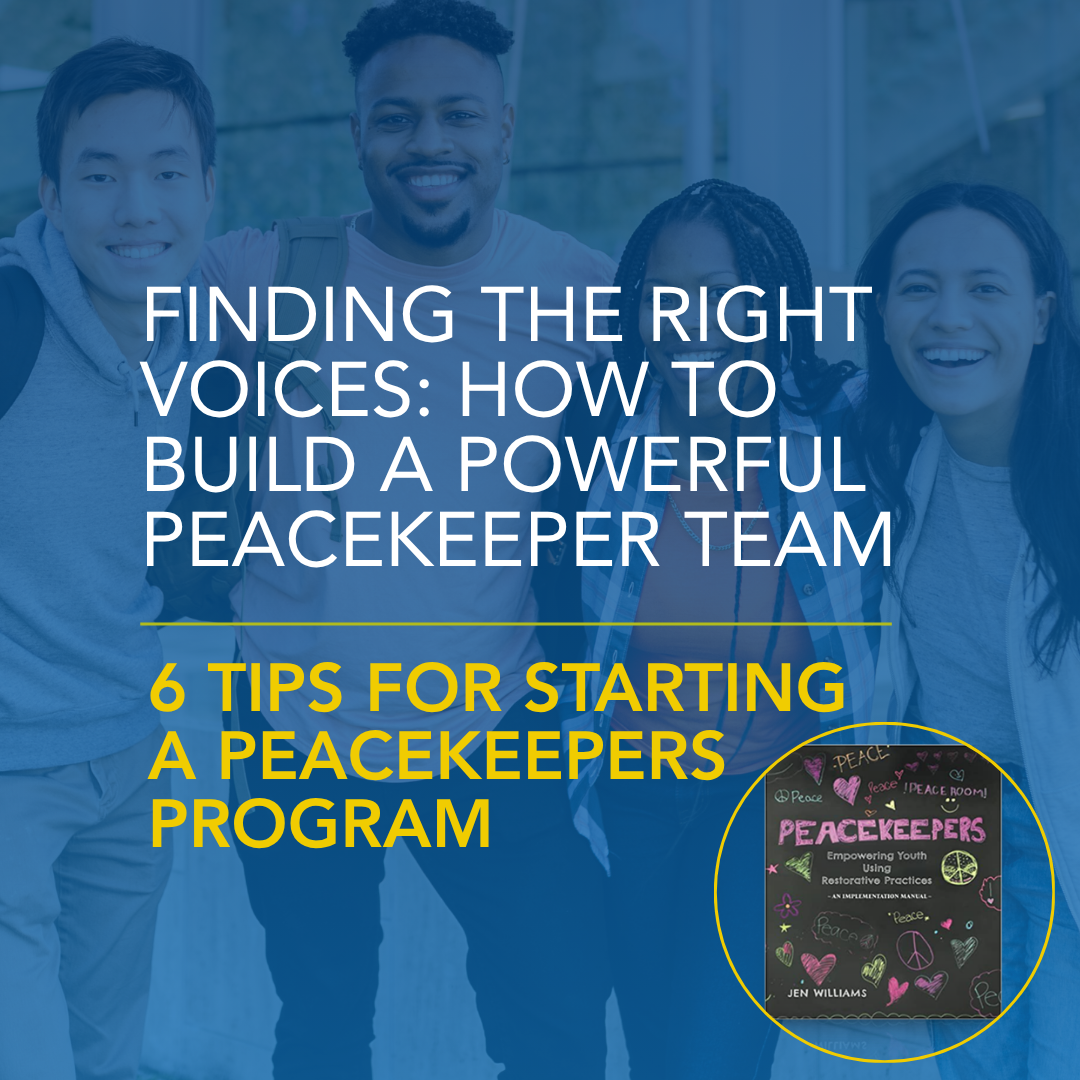
6 Tips for Starting a Peacekeepers Program
Thinking about starting a Peacekeepers program in your school? Choosing the right students is more than filling seats; it’s about intentionally building an empathetic group of student leaders who can model and support restorative practices across your community. With the end of the academic year approaching, now is a good time to strategize recruiting students to join your Peacekeepers for next year. After all, your graduating class might include some current members whom you’ll want to replace. Drawing on Peacekeepers: An Implementation Manual for Empowering Youth Using Restorative Practices by Jen Williams, the following strategies are key to keep in mind for program success:
What our Community Says About Relational Workplace Culture
Proactively building strong and healthy relationships is a cornerstone of restorative practices. In workplaces, restorative practices are used to enhance diverse and resilient teams through a focus on responsibility, respect, and inclusive participation. Research shows that this sparks creativity and innovative ways of thinking. When used with fidelity, restorative practices in the workplace create teams wherein all members have a voice and work more effectively together.

Contrary to popular belief, conflict is a good thing! It serves as a positive sign of diverse opinions and indicates that a well-rounded team is working together. Conflict in the workplace can seem wasteful, tedious, and distracting, but it also creates opportunities to establish new understandings and innovate dated processes. From a relational perspective, conflict is often avoided to protect relationships between coworkers, but leaning into conflict can create space to grow stronger, more trusting relationships in the long term. Leaning into and preparing for conflict will make you a better leader and teammate overall. So how do you “lean in” to conflict with confidence? Start here by downloading our Guide for Addressing Conflict in the Workplace.

Build Better Workplace Relationships Through Intentional Self-Care
Key takeaways:
- The conflicts we experience as humans take a toll on our physical, mental, and emotional well-being.
- Making sure we are intentional about self-care makes us more resilient in the face of tensions and better equipped to deal with conflict at work and beyond.
- Hands-on forms of self-care, such as creating a comfortable work environment, engaging in physical activities and hobbies, and retraining your brain to regulate cortisol levels, can help you approach situations of conflict with more confidence and clarity.

Accountability in Action: What Our Community Says About Restorative Practices
Restorative practices can assist in conflict resolution, creating dialogue, bridging gaps across divided groups, and building cultures where all members have a voice and work more effectively together. In schools, restorative practices positively impact student behavior and school climate. When used with fidelity, they create a sense of belonging, minimize harm, and support student learning while cultivating students who are better equipped to navigate complex challenges, self-regulate, manage conflict, and become better citizens.

Reconnecting with our humanity through neuroscience, narrative, and restorative practices
Dr. Frida Rundell is a founding IIRP faculty member, teacher, practitioner, counselor, consultant, and author. She brings extensive experience of Narrative and Solution-Focused Therapies to the understanding of restorative practices. Frida blends neuroscience, cognitive-based therapies, storytelling, somatic experiences, and restorative practices to support the healing of adults and youth.
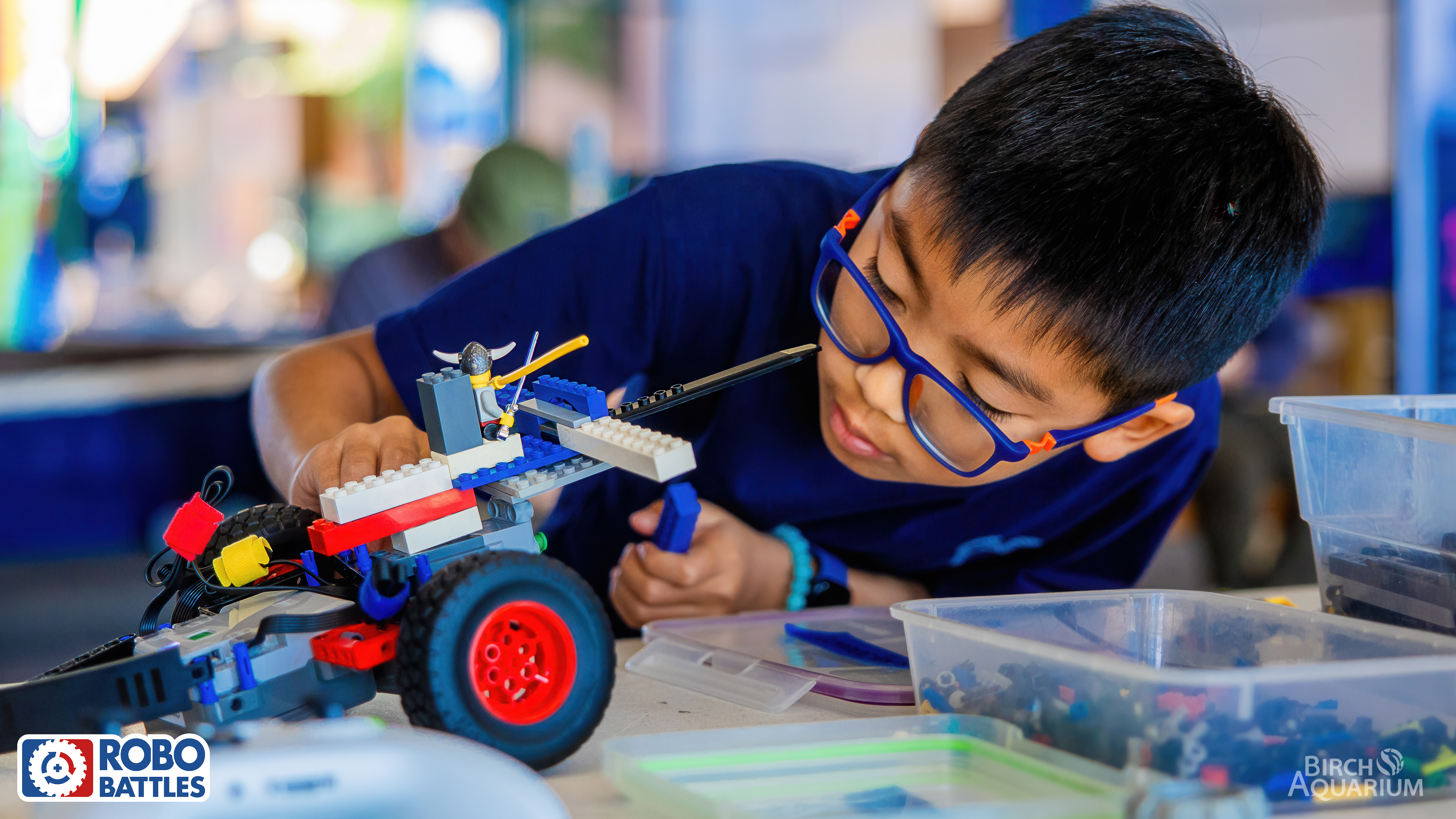
The Grant Imahara Foundation is changing the narrative around how students engage with STEAM Education.
STEAM (Science, Technology, Engineering, Arts, and Mathematics) prepares students for high-demand careers in a tech-driven world, developing critical thinking and problem-solving skills as well as fostering innovation. Yet STEAM programs for youth are often skewed toward young boys and men and focus more on deliverables than on developing essential life skills, such as collaboration, creativity, and resilience. The Life Skills curriculum of The Grant Imahara STEAM Foundation’s RoboBattles competition program wants to bridge the gap in STEAM experiences. The Foundation seeks to introduce STEAM education to a population of students that may not see their interests and motivators reflected in those subject areas and help them increase their life skills, which include being a better global citizen and building better relationships along the way.
Using restorative practices to successfully implement change and navigate conflict
Change happens. In the workplace, it can signal growth and necessary improvement. But to those whom it affects, it can feel scary, unnecessary, or wasteful. Everyone handles change differently. As a leader, how do you successfully manage these differences across your team? Start with relationships.

Serving as a beacon of belonging, supporting students and staff with the restorative practices approaches they need to feel seen and heard.
IIRP alumna Michaela Zelli completed her Graduate Certificate in Restorative Practices and is currently enrolled in the Master of Science in Restorative Practices degree program. Currently, she serves as Belonging and Climate Facilitator in Methacton School District in Pennsylvania.
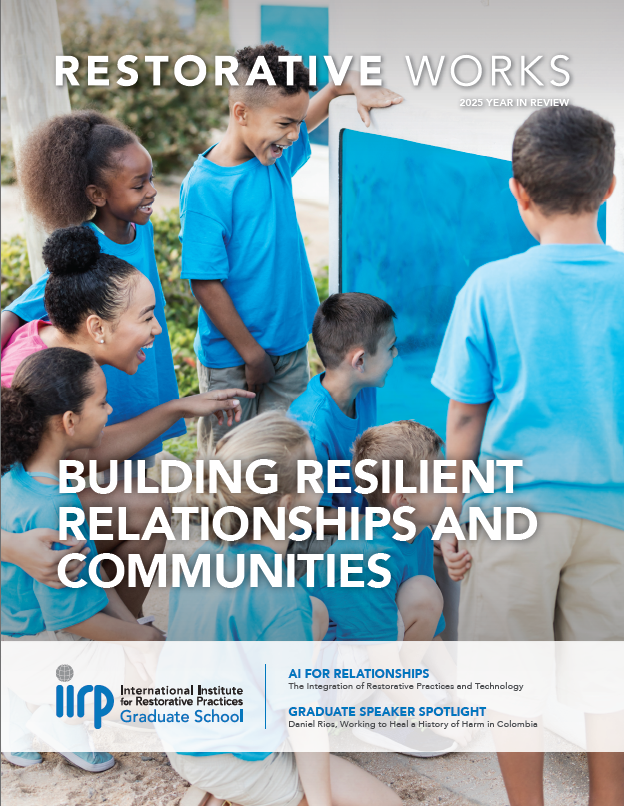
Restorative Works Year in Review 2025 (PDF)
All our donors are acknowledged annually in Restorative Works.